The Race Street Case
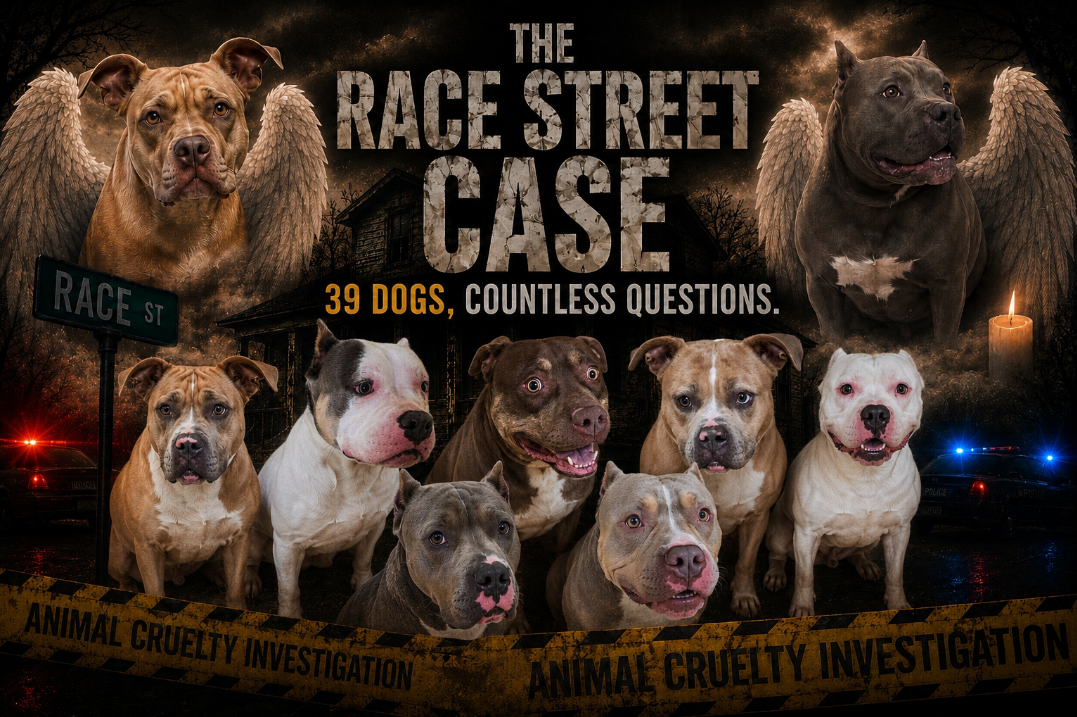
39 dogs. Months of delays. Unnecessary suffering and no accountability. This is the full account.
Let me start by saying that everything I'm about to discuss is either something I personally witnessed, documented through my own communications, or gathered from official records. This isn't about one bad day or one isolated mistake. This is about months of decisions that, in my opinion, failed dozens of dogs. Vader's case wasn't the beginning of my concerns—it was simply the moment I realized I couldn't stay quiet any longer.
On May 28, 2025, Berkeley County Animal Control seized 39 dogs from a property in Martinsburg. Public court records connected to this case can be found under case numbers 25-M02F-00319, 25-M02M-04713, and 25-M02C-03219.
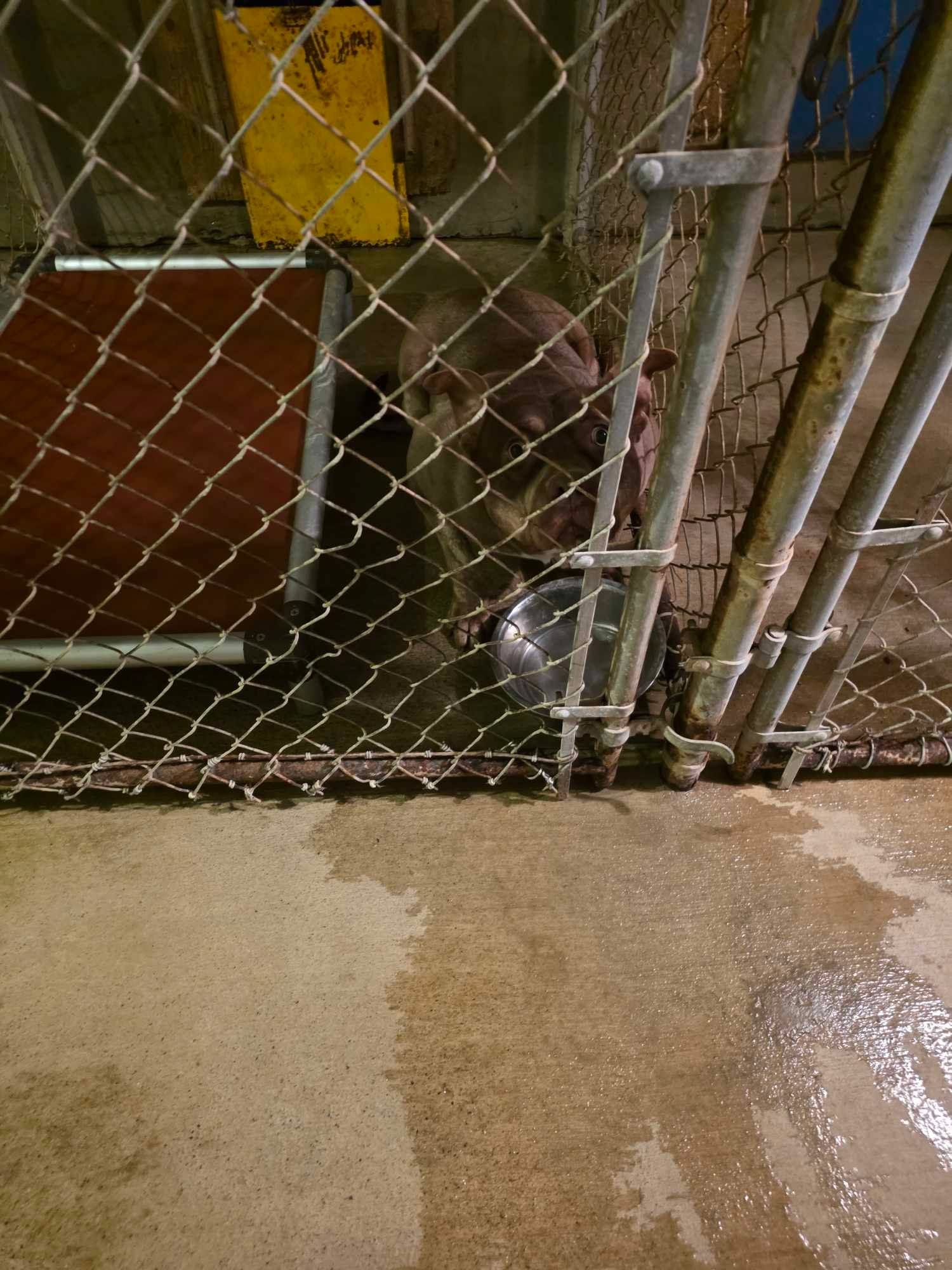
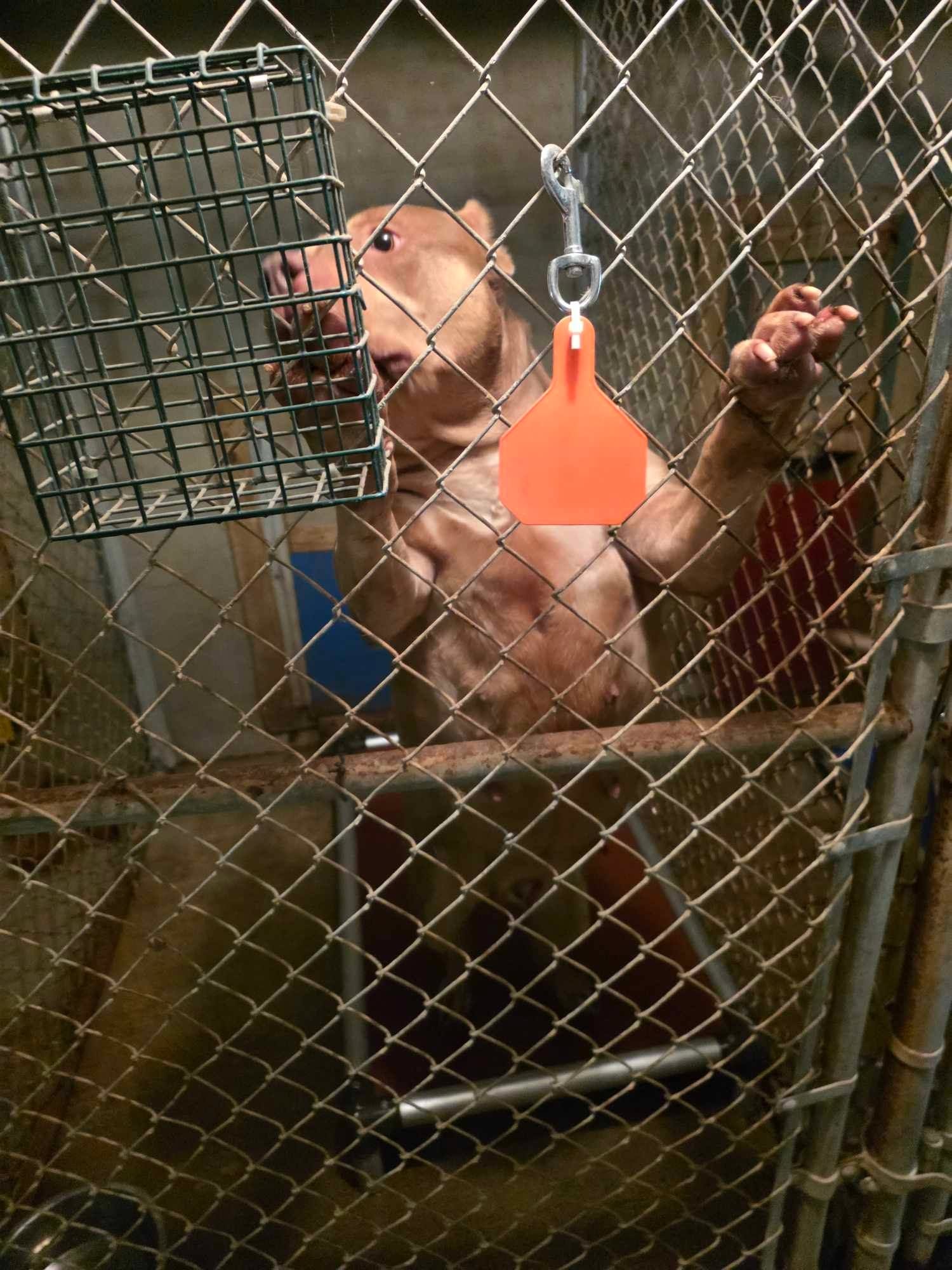
After the seizure, BCAC did not have enough kennel space, so many of the dogs were housed at a separate kennel facility. Animal Control officers were responsible for caring for those dogs while also caring for the dogs at BCAC. Months passed, and the public was given little to no information about where these dogs were, what condition they were in, or what the plan was for them.
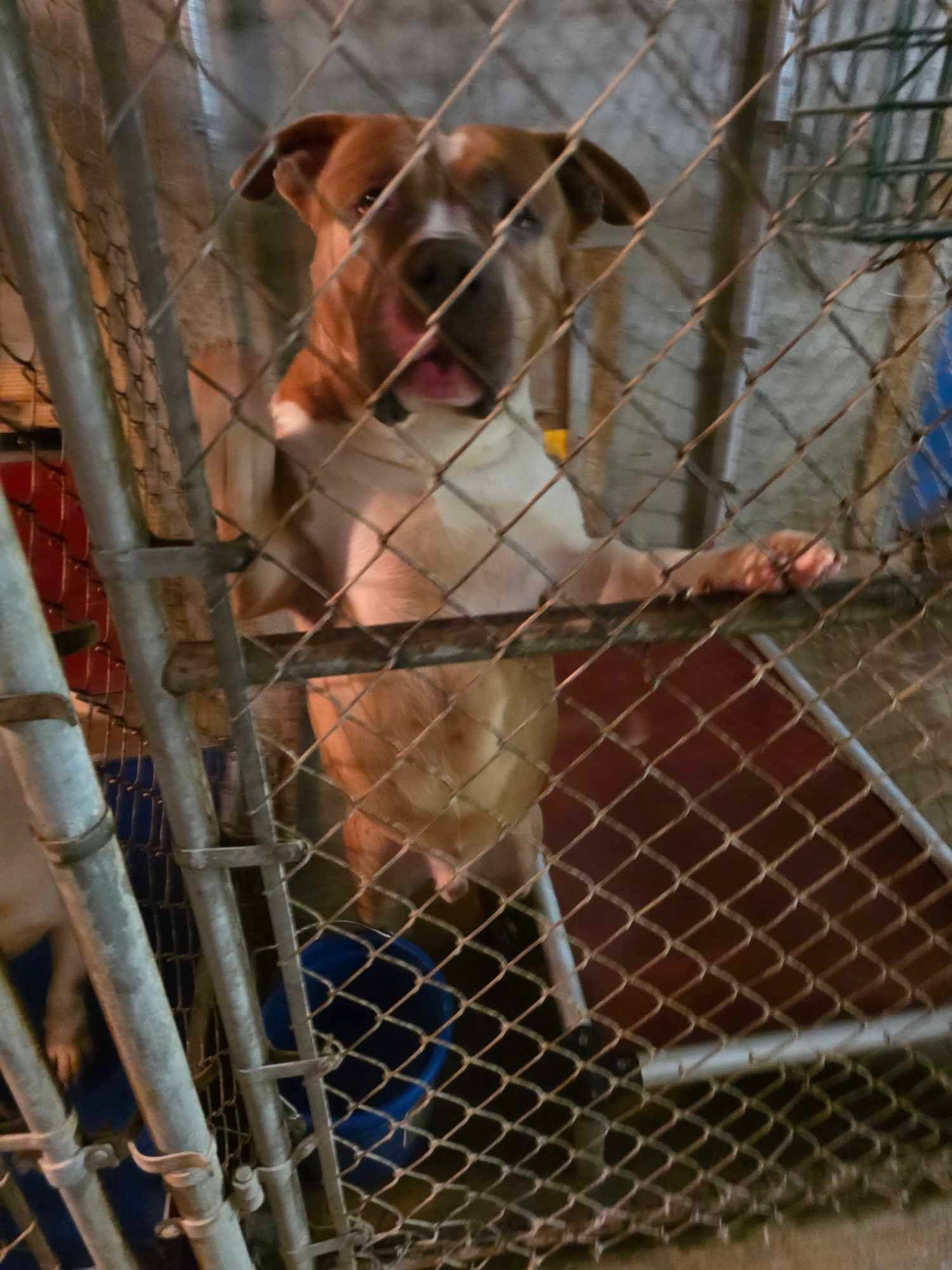
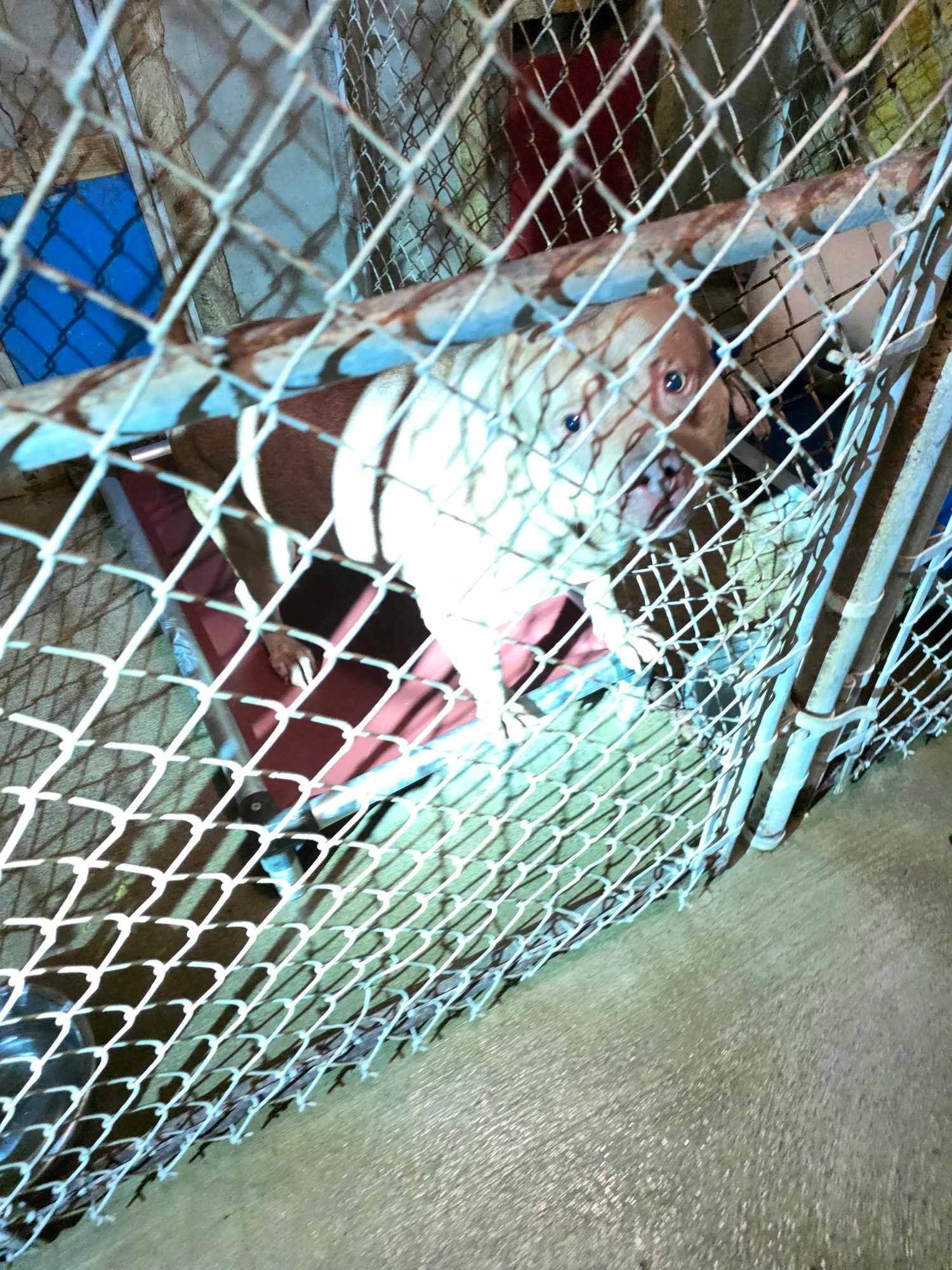
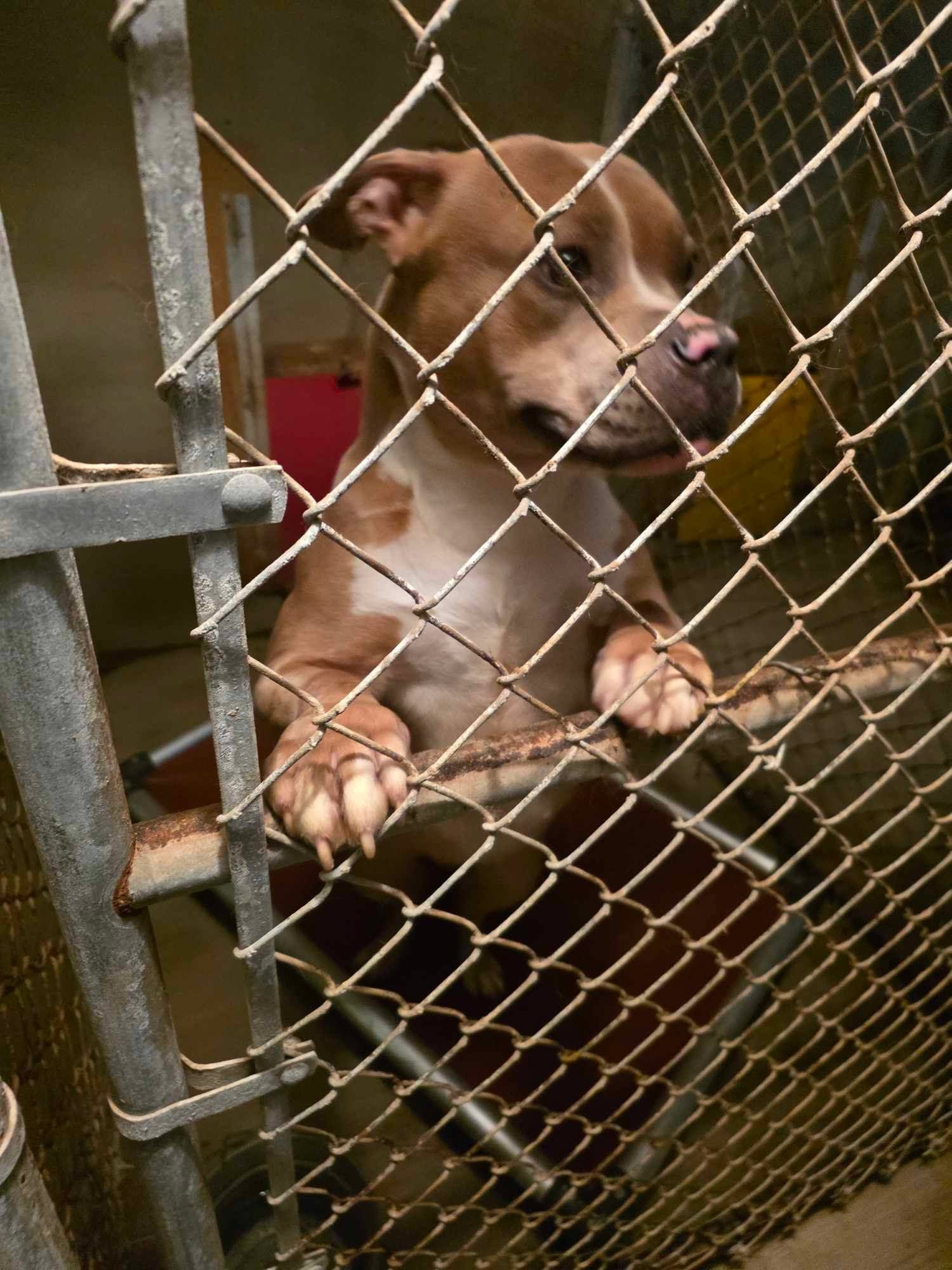
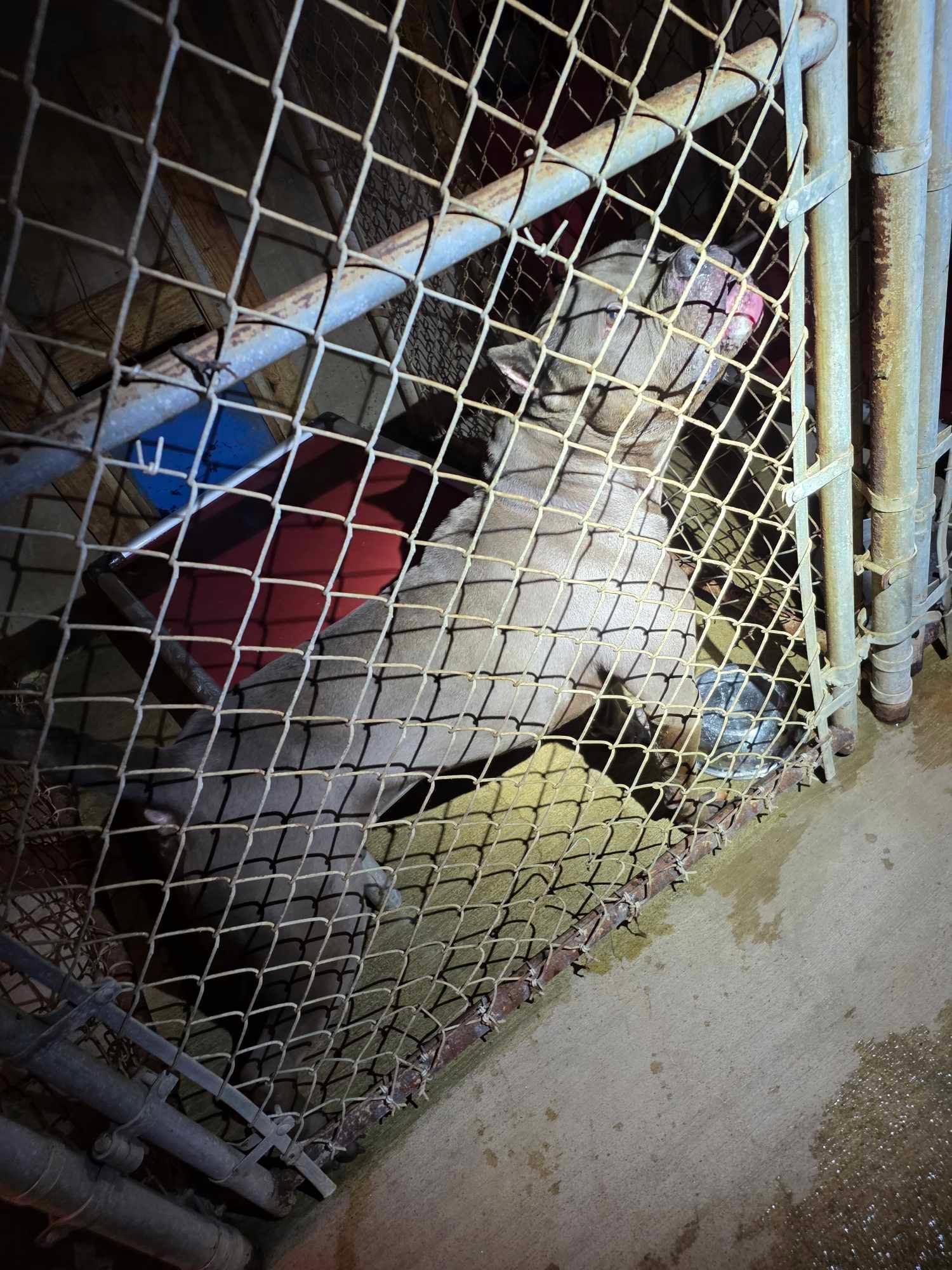
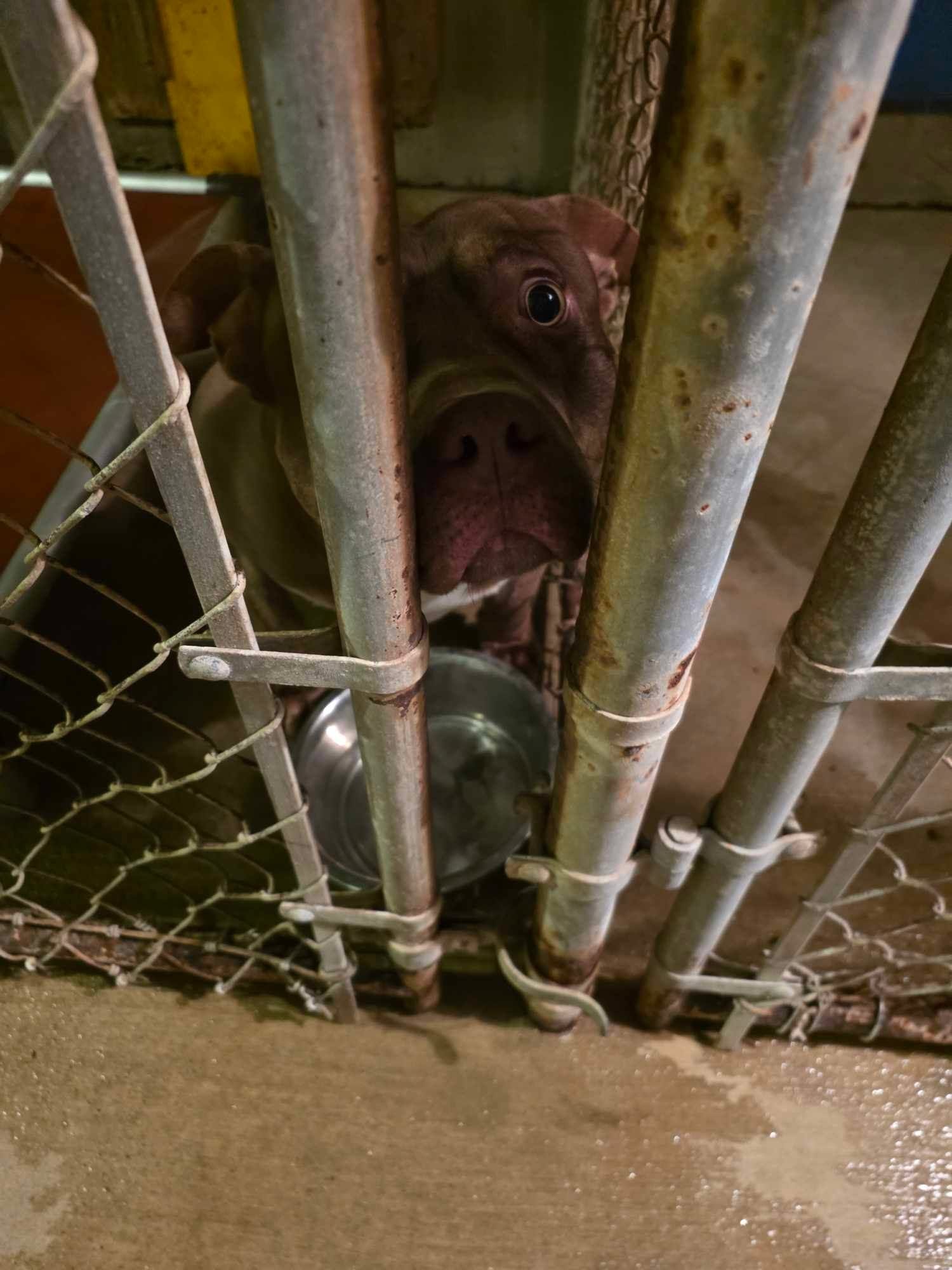
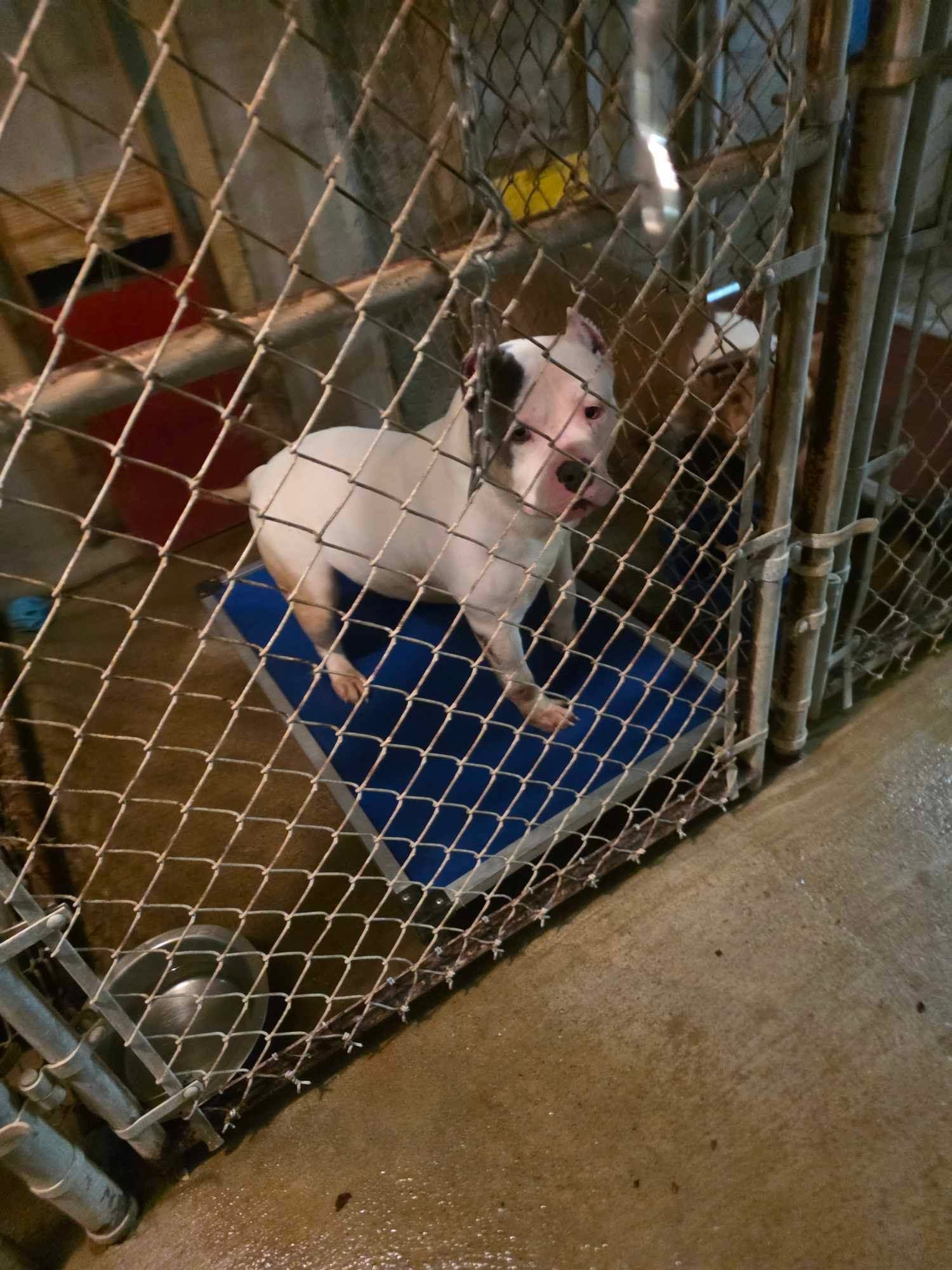
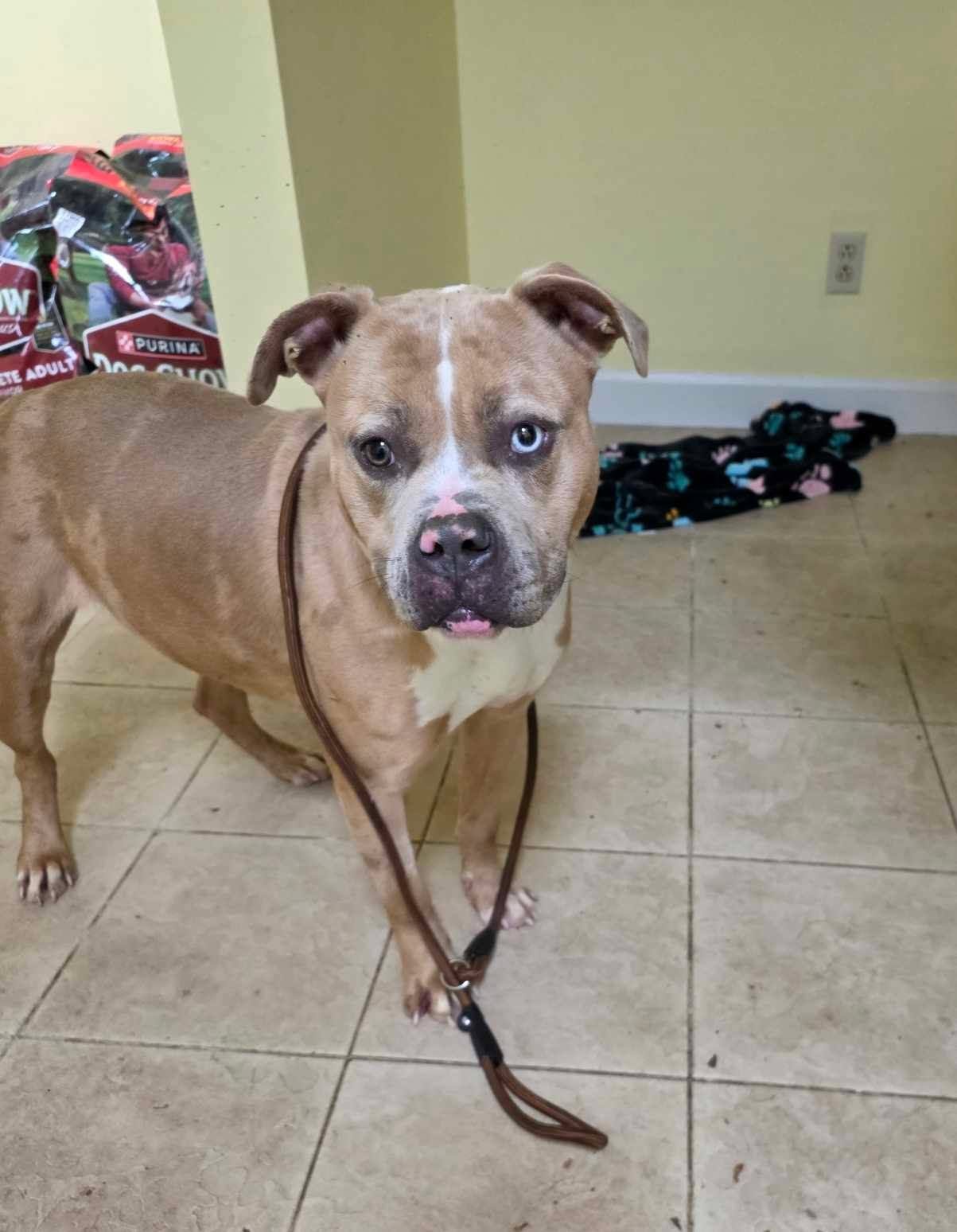
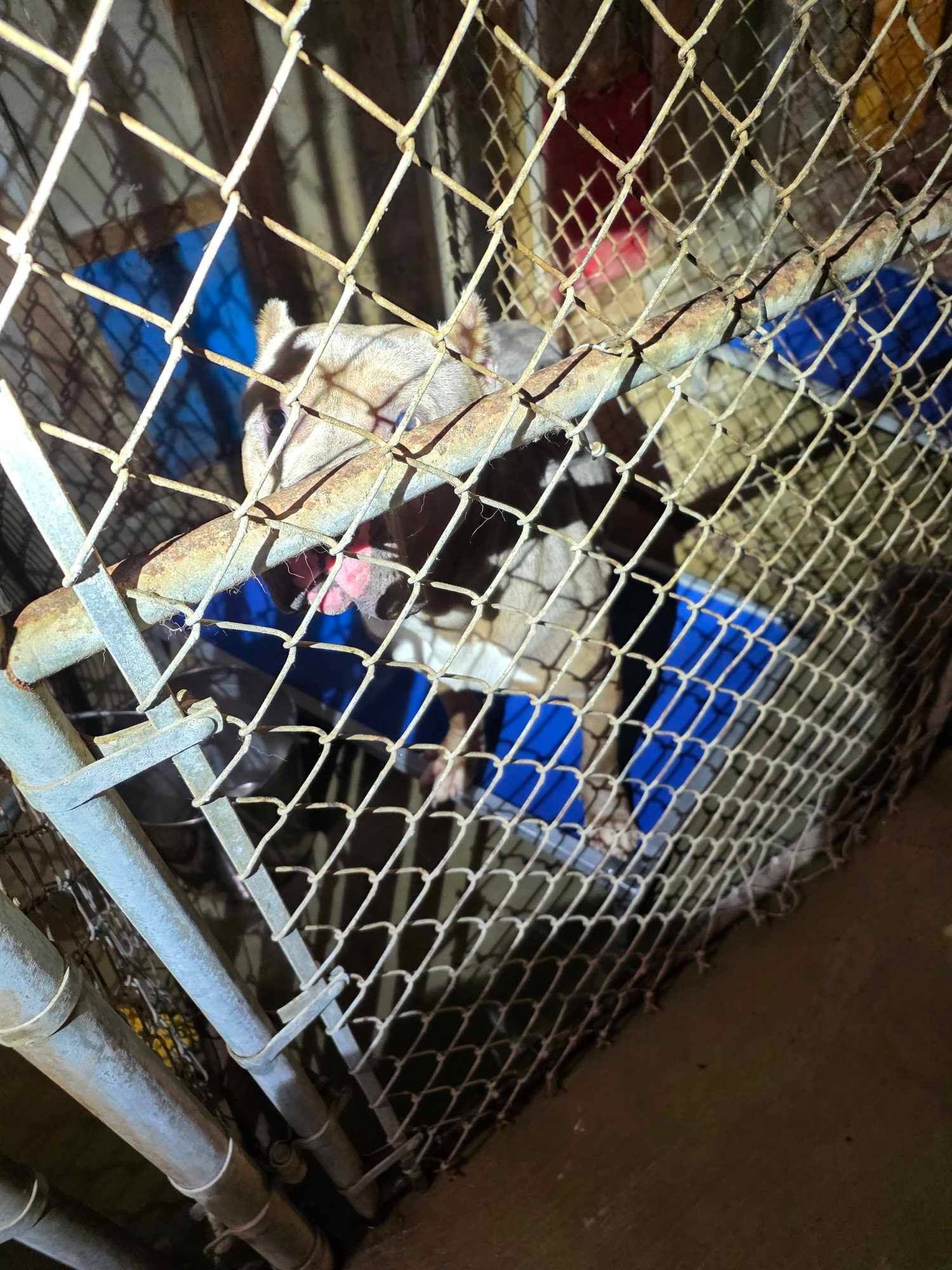
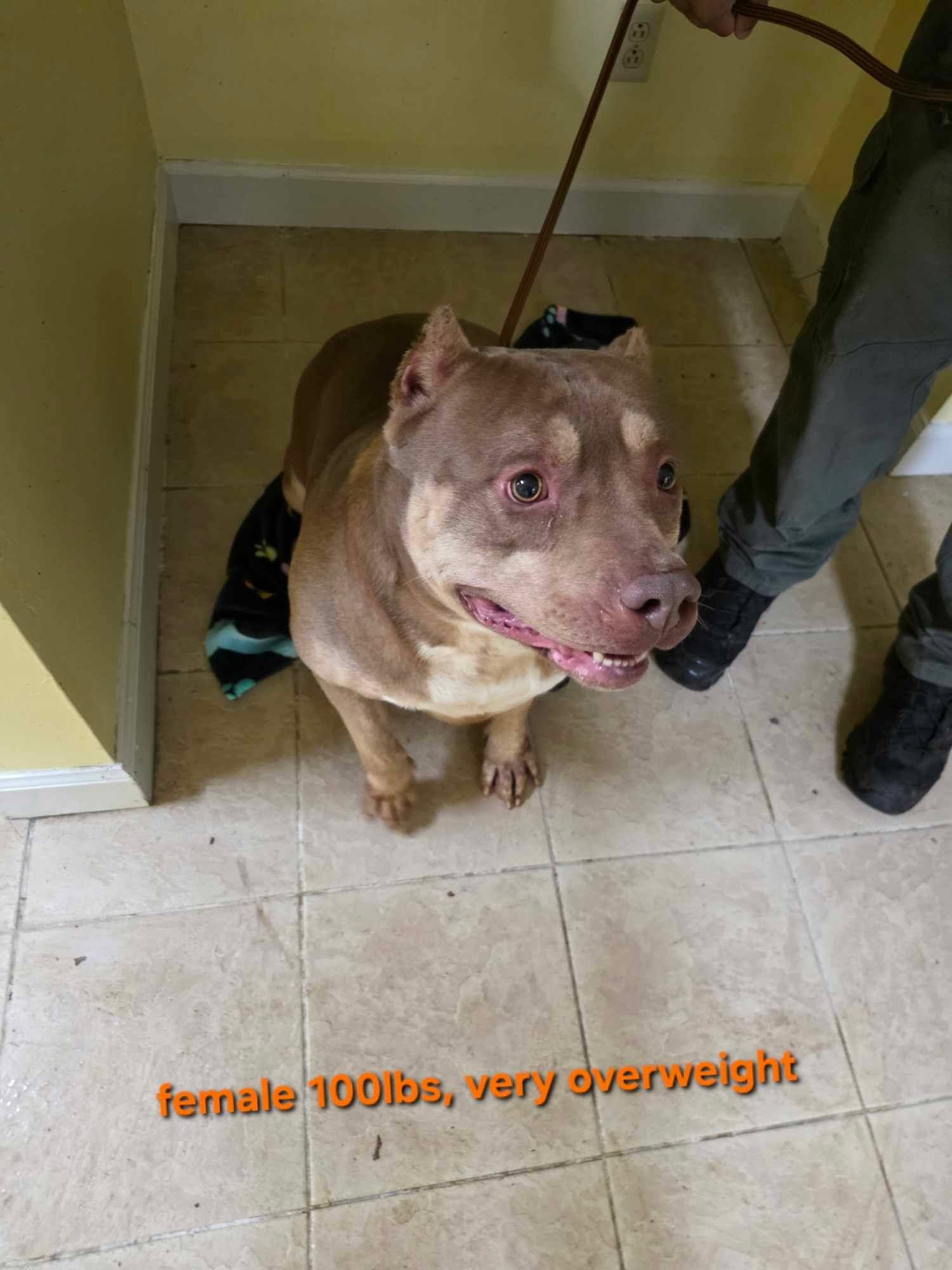
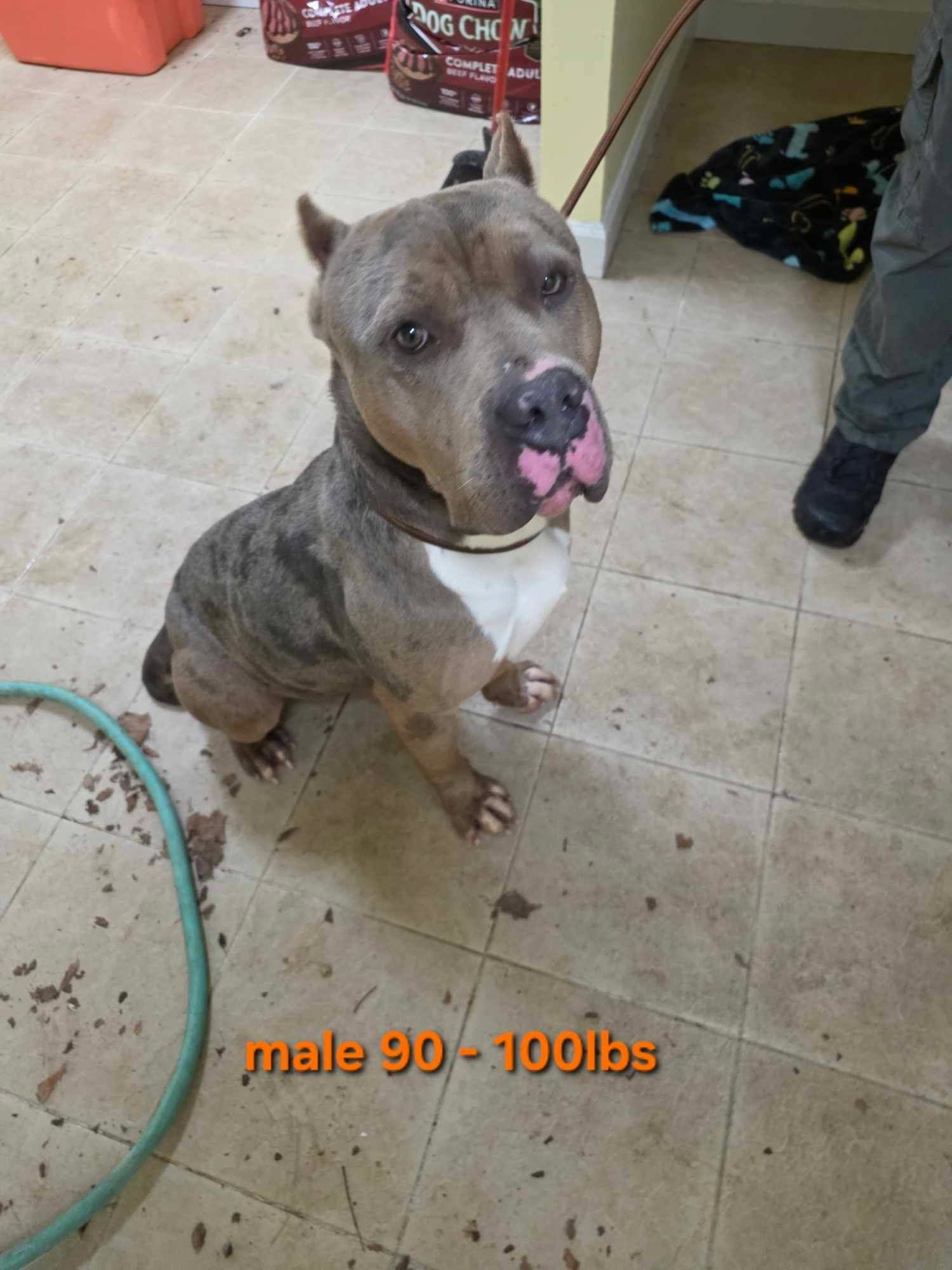
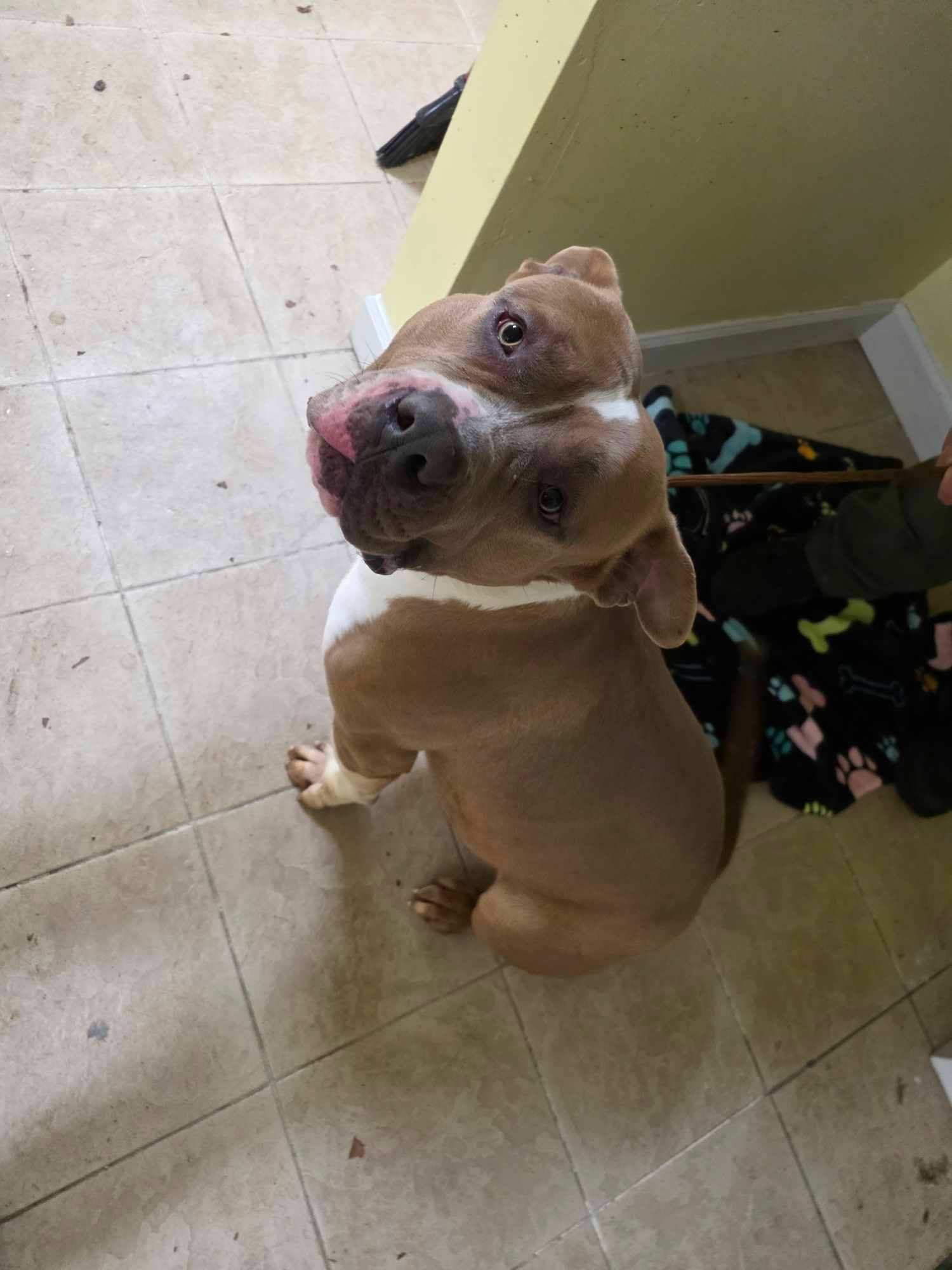
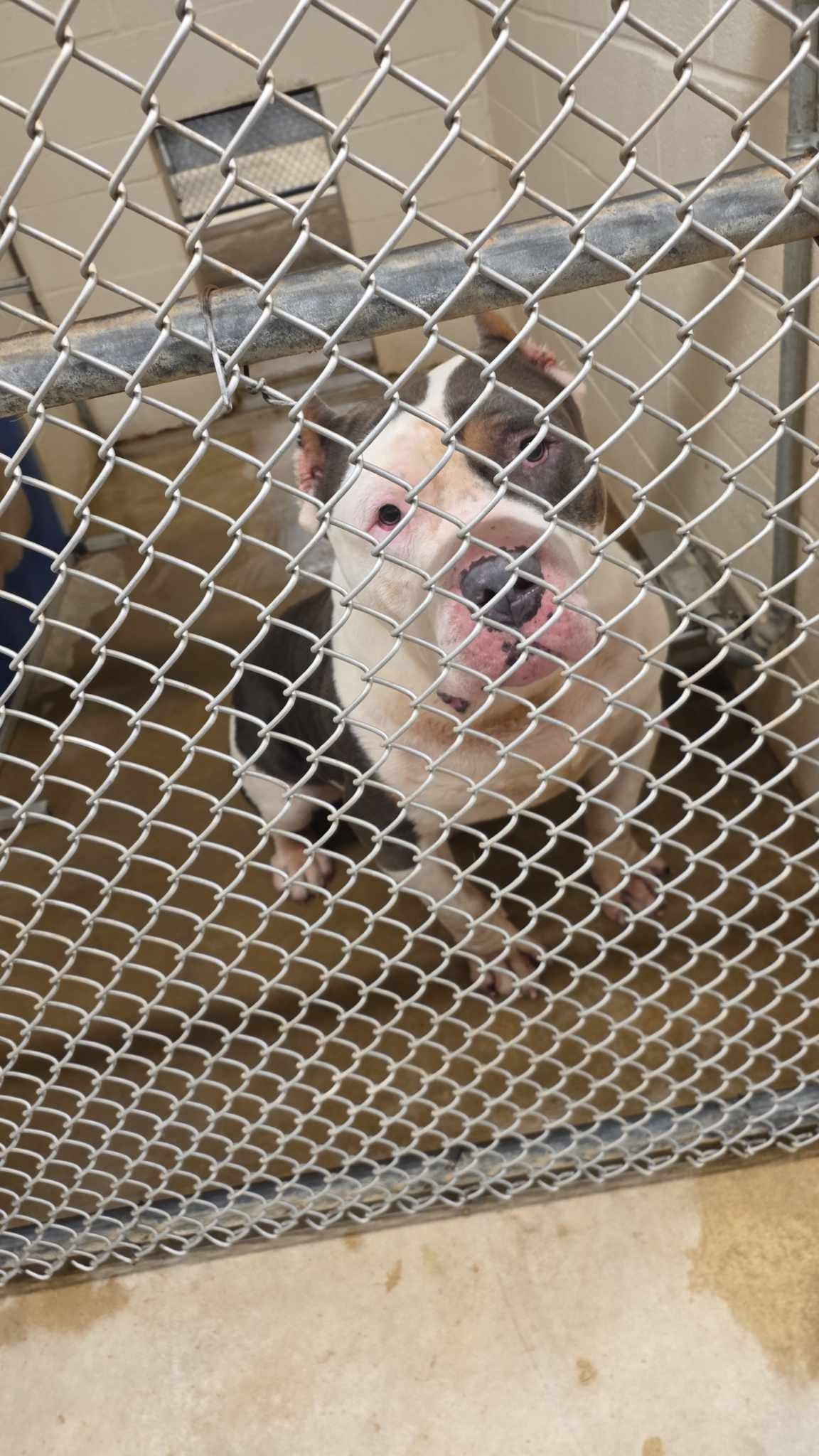
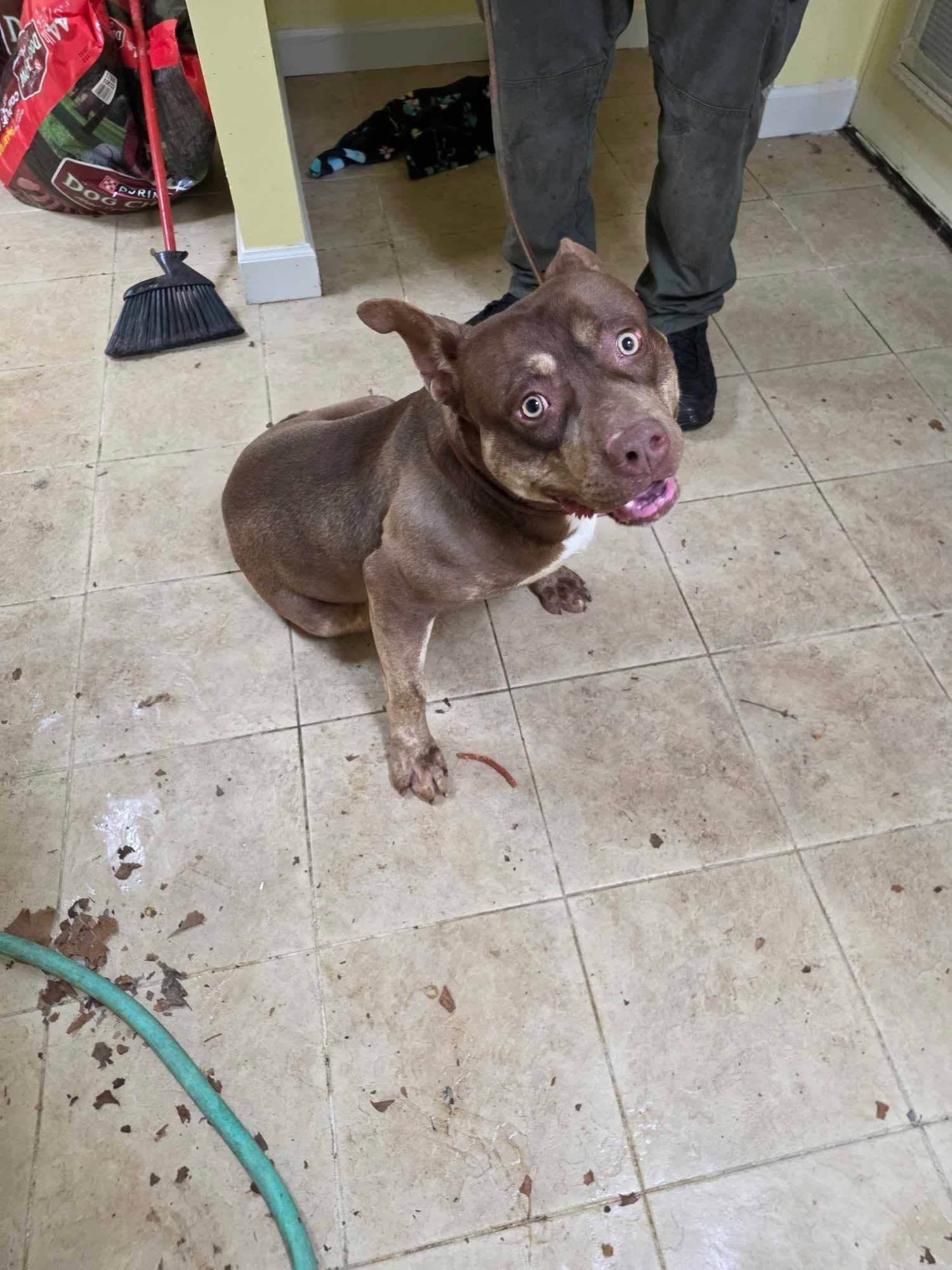
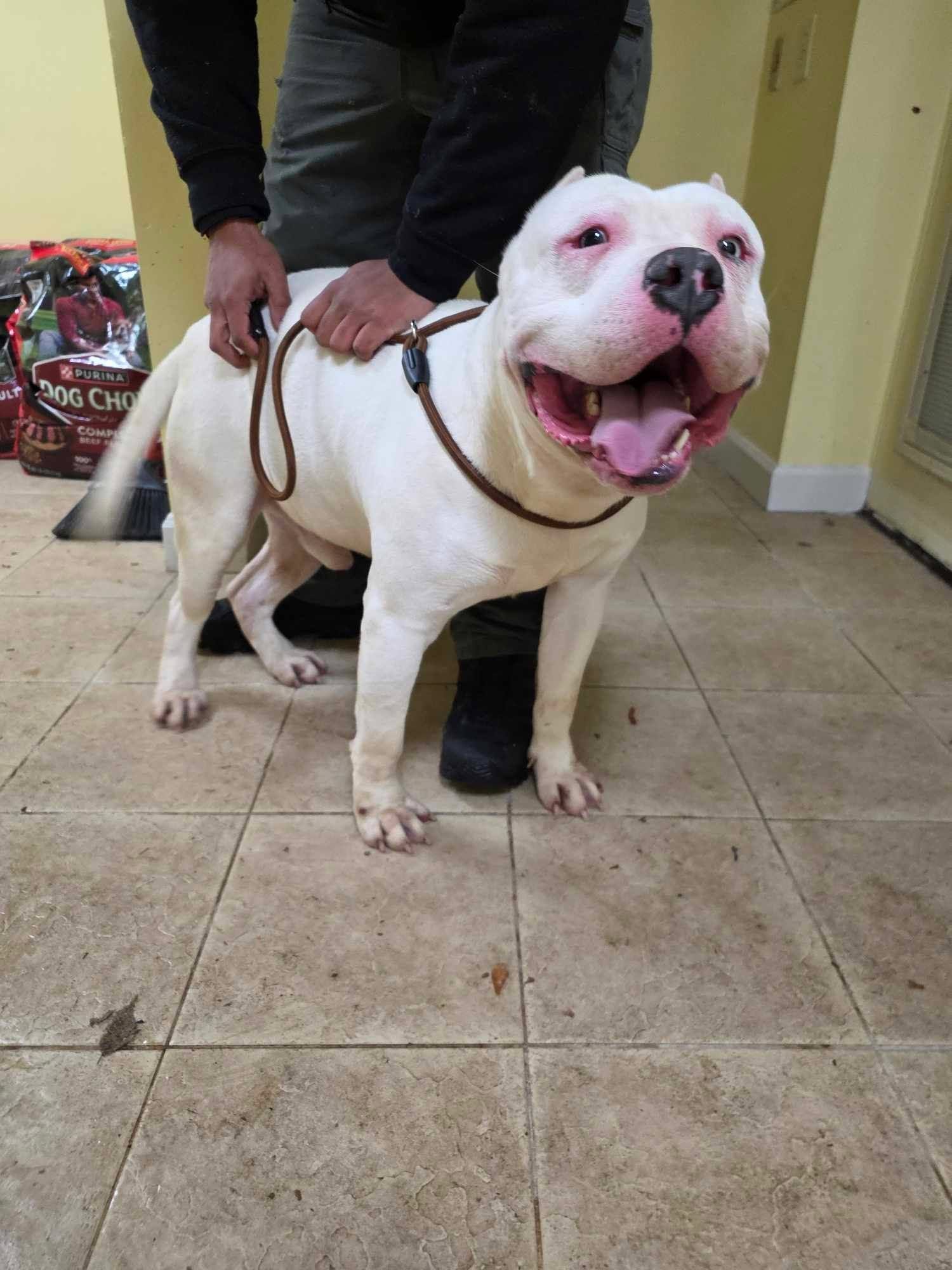
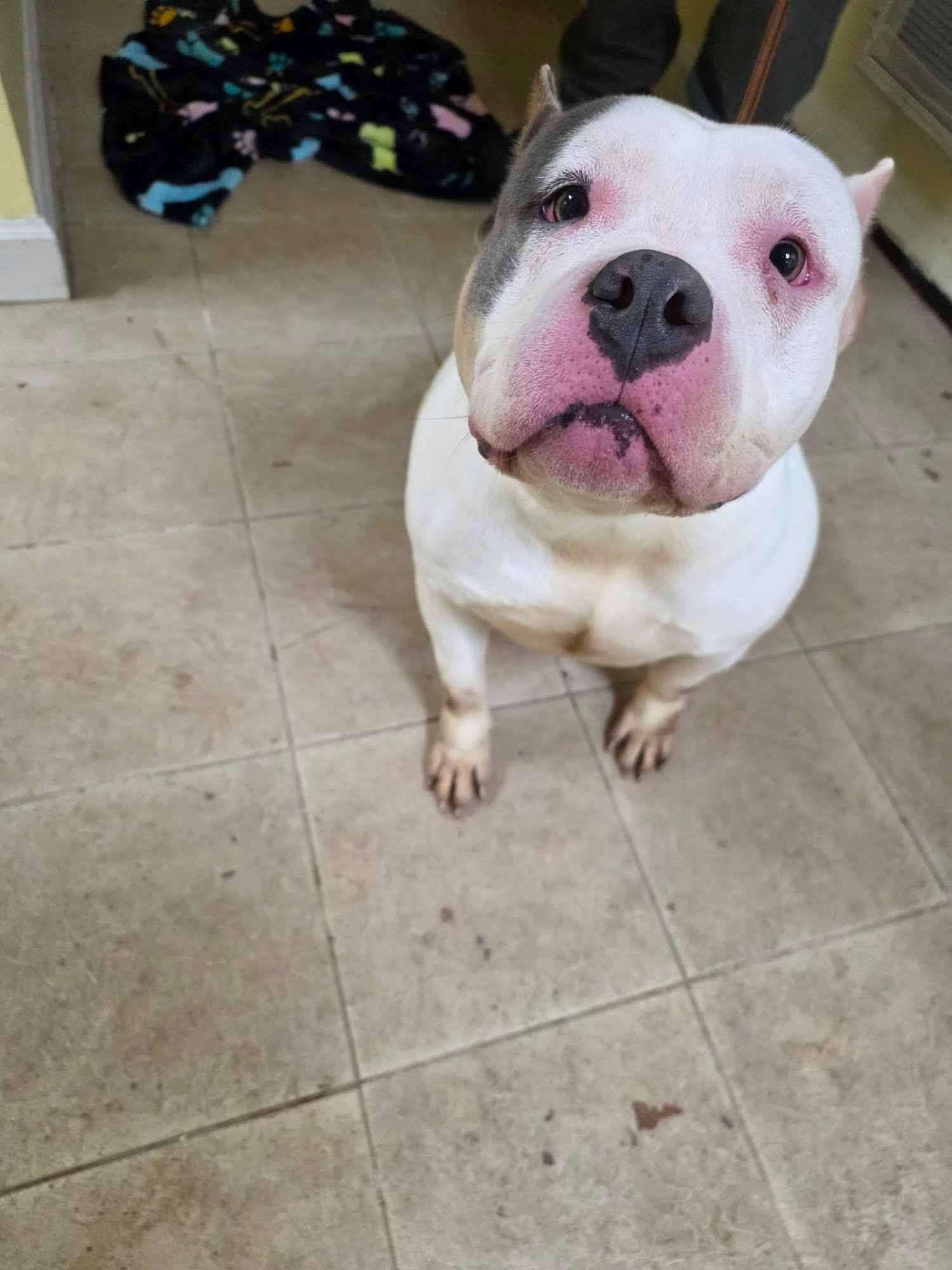
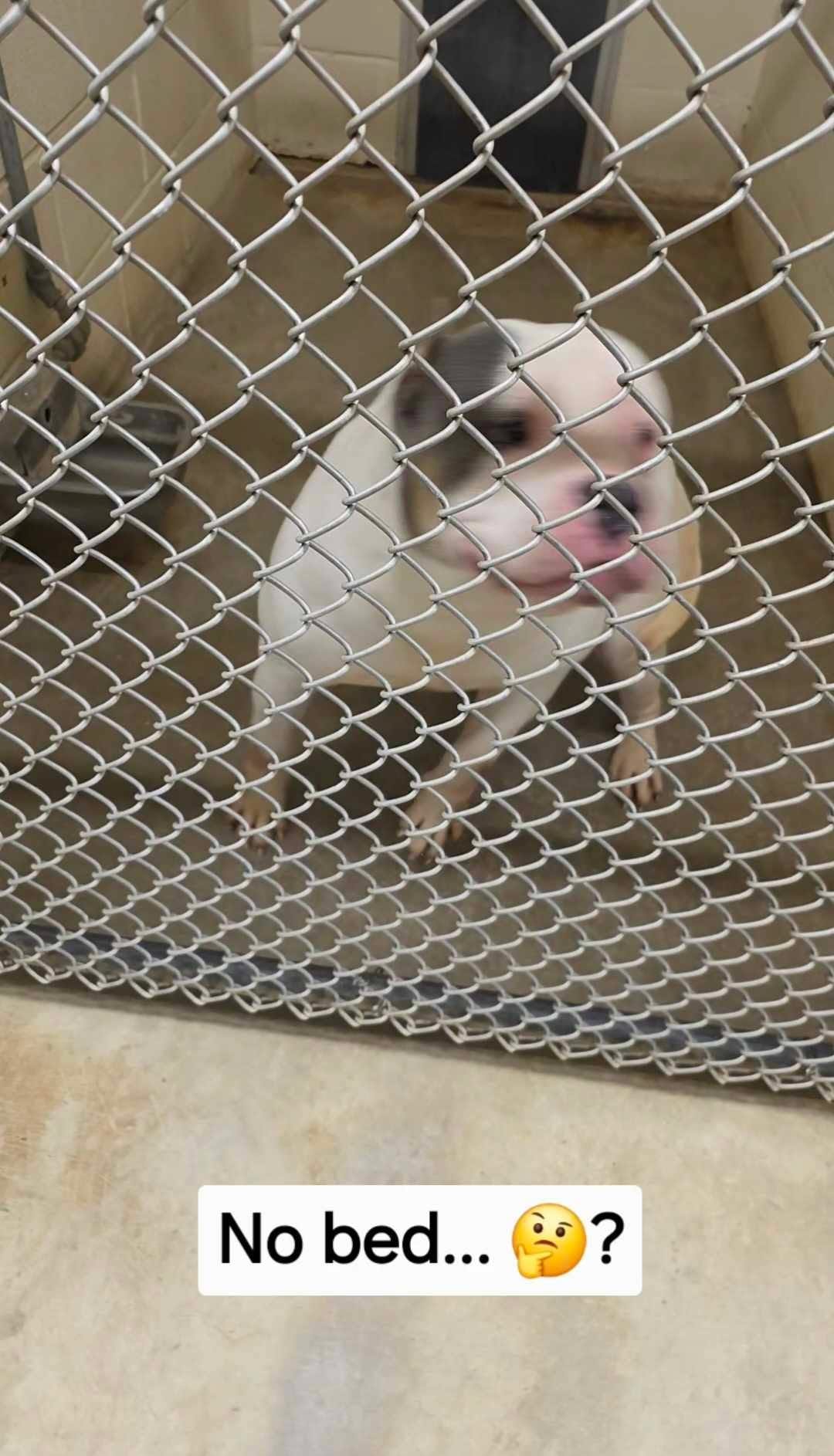
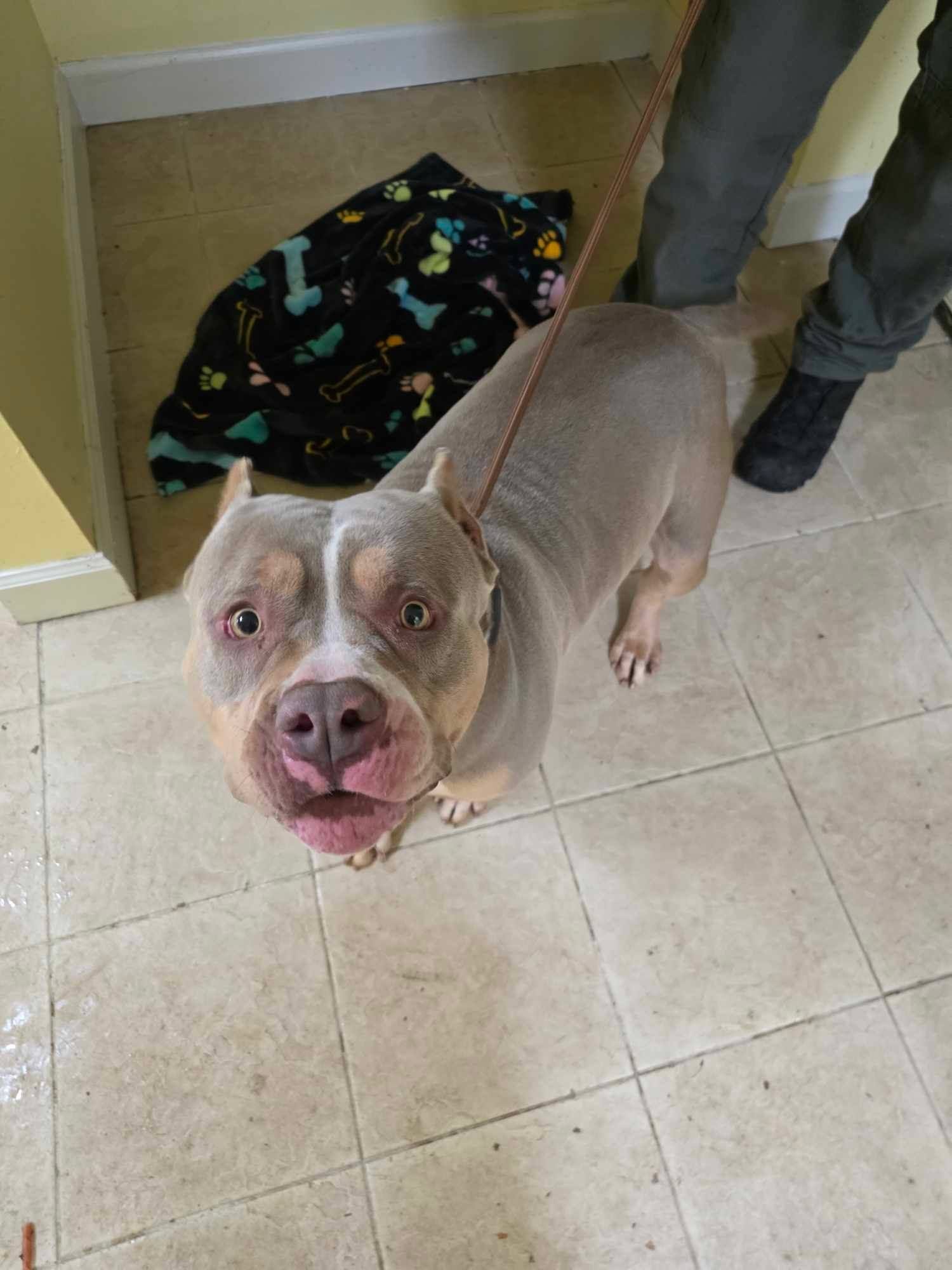
At first, I was told the dogs at the off-site facility could not be moved because they were extremely unsocialized and some were aggressive. That explanation came from Kevin, who was Chief at the time. But the more I asked questions, the less his explanation made sense. I later saw pictures of some of the dogs being kept over there. These were not just random mixed-breed dogs nobody would recognize. Some were tricolor lilac bullies, all-white merles, blue merles, piebald white and blue XL Bullies, and one was a well-known breeding stud dog in this area. These dogs had potential value. That is when I started questioning who decided which dogs stayed at Animal Control, which dogs went to the off-site facility, and why.
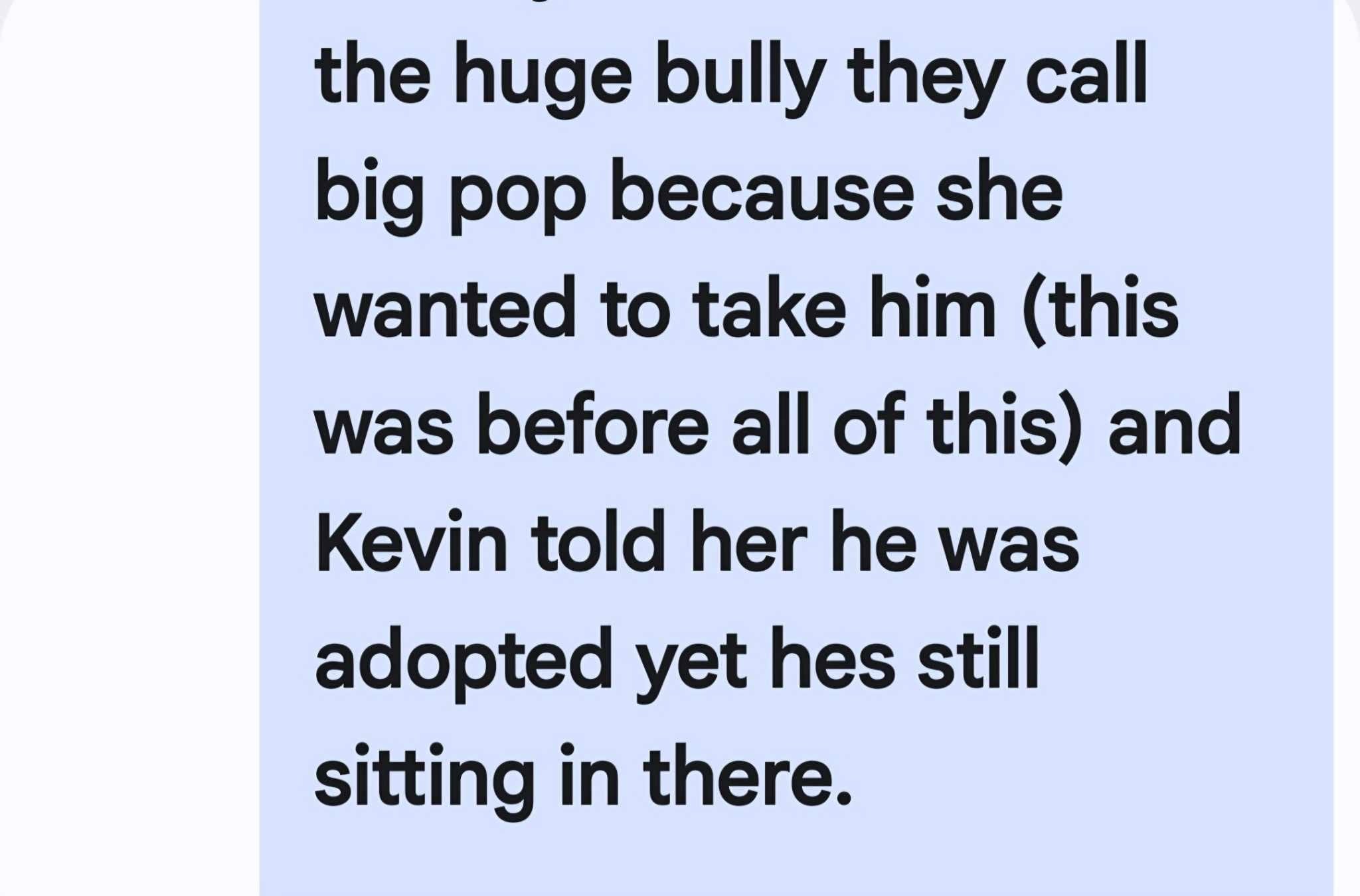
I also found out Kevin had told the Humane Society manager that one of the dogs she wanted to pull from this case had already been adopted, so she could not pull him. That was not true. He was still at Animal Control.
After I relayed my concerns to the Humane Officer with BCSO, I was allowed to go to the off-site kennel on January 12 with two Animal Control officers to take pictures and assess the dogs. What I saw completely contradicted what Kevin had been saying. The dogs were not aggressive. Most came right up to me wanting attention. They rolled over, showed their bellies, sat for treats, and acted like normal, friendly dogs who had simply been sitting there for months with no exposure and no help. Only one dog was erratic on a leash, but even he was friendly and not aggressive. That visit confirmed what I had already suspected: the excuse that these dogs could not be moved because they were aggressive was not true.
Then I asked the officers whether any of the dogs at that facility had been seen by BCAC's vet. I was told no, because there was not anything wrong with them. I asked if any had microchips documented in the system. Again, no. These dogs had been in Animal Control's custody for months, housed away from the main facility, with no vet exams and no microchips documented. One dog was later found to already have a microchip, meaning BCAC either failed to scan him during the seizure or failed to record it. That is unacceptable.
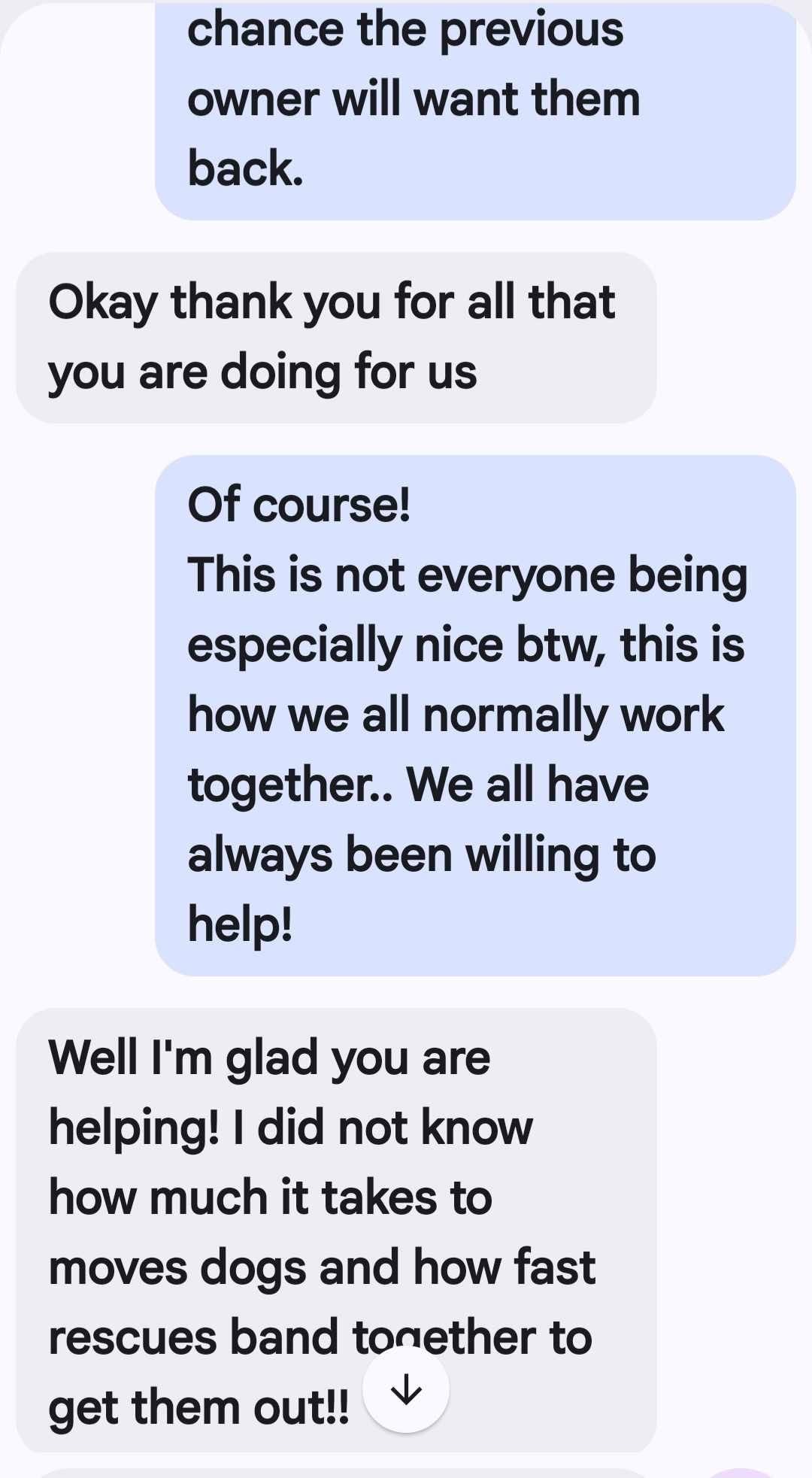
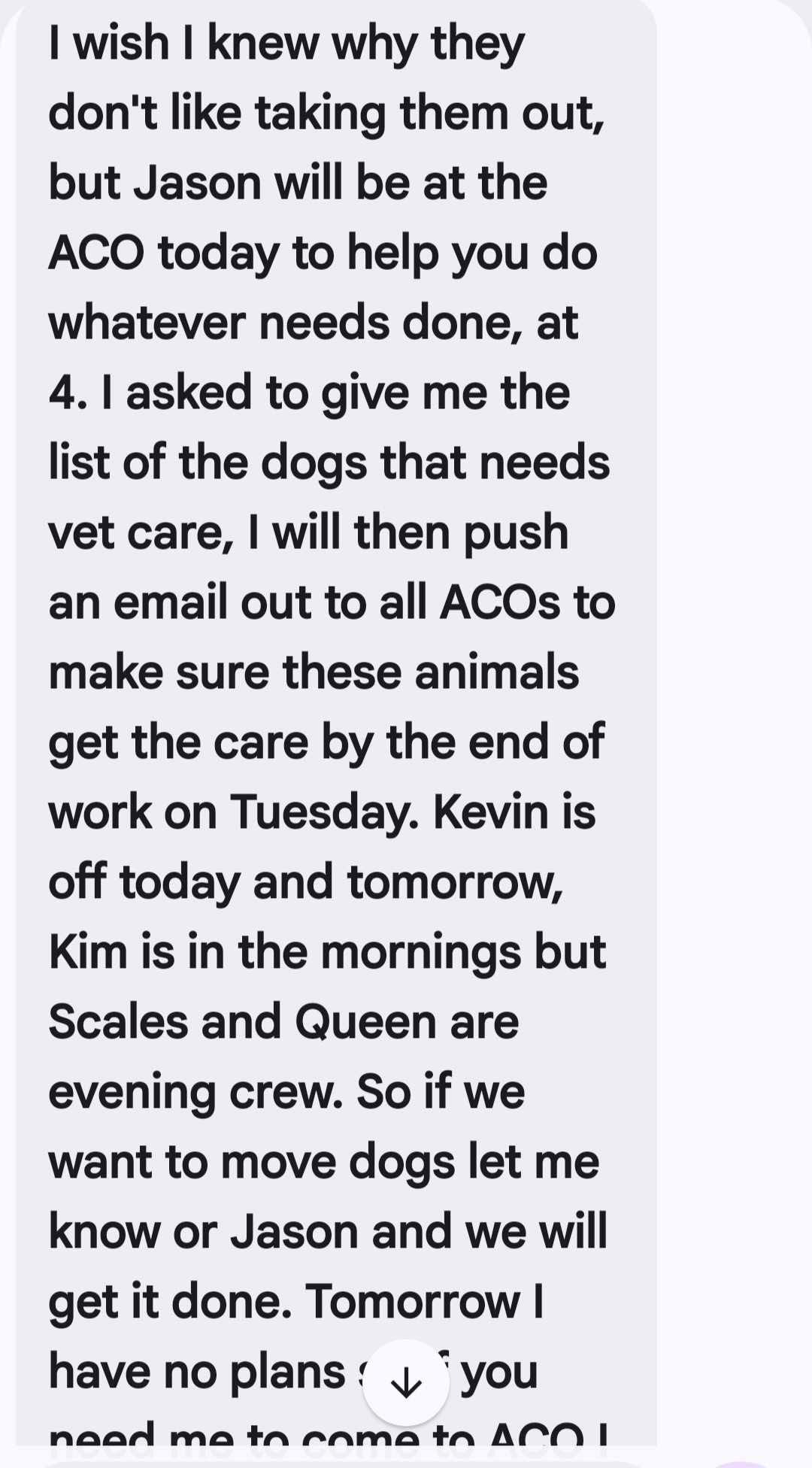
After this, the Humane Officer ordered Animal Control to start moving the dogs back to AC one by one as kennel space opened. I also spoke with the Humane Society manager, and we made a plan. She would pull one dog, get that dog adopted, and then pull another. We wanted it done this way because these dogs needed to be spayed and neutered before leaving. Most were large bullies, many 80 to 140 pounds, and we knew people would want them for breeding if they left unaltered. Everyone agreed to the plan until it was time to actually move the dogs.
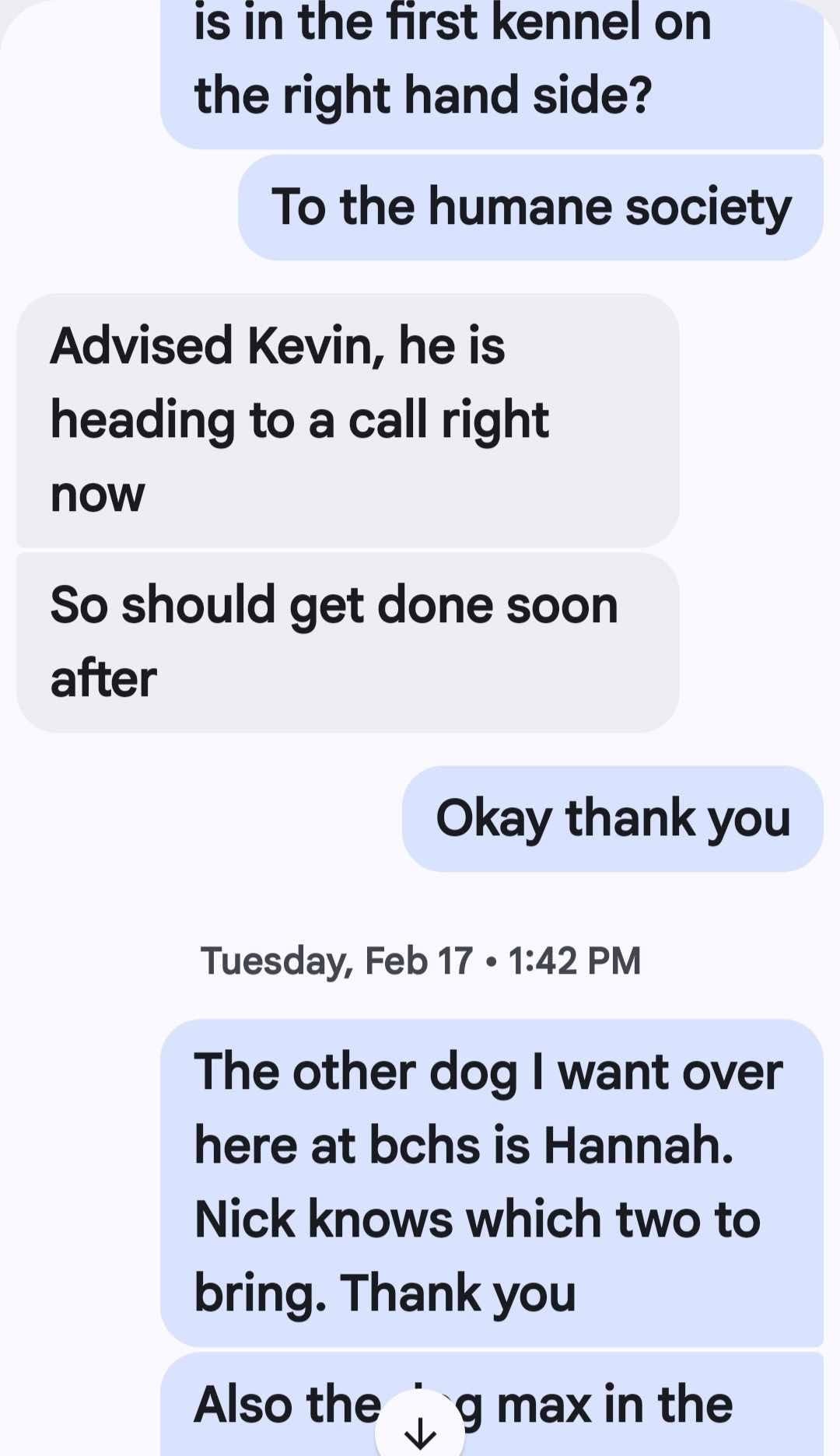
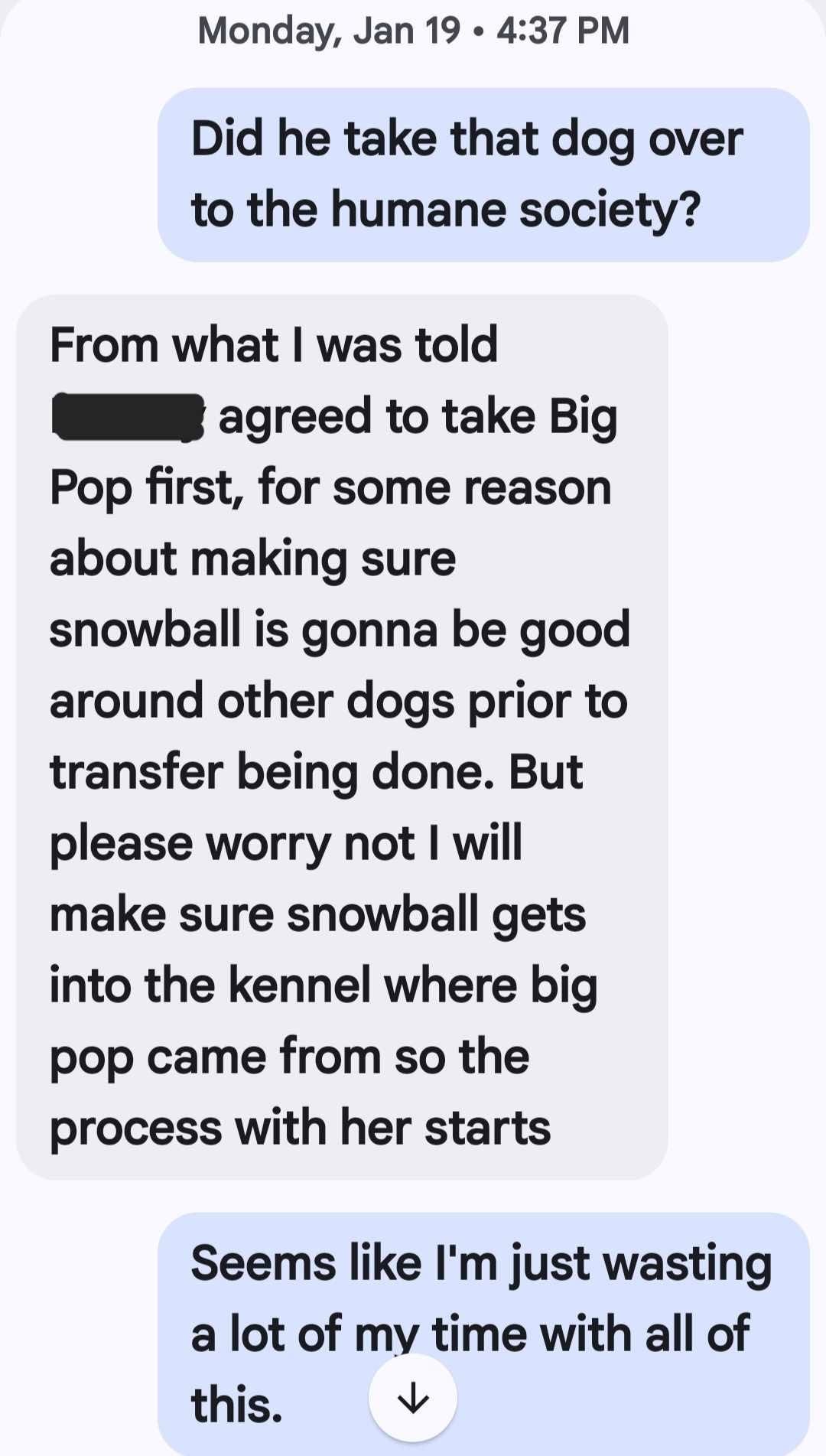
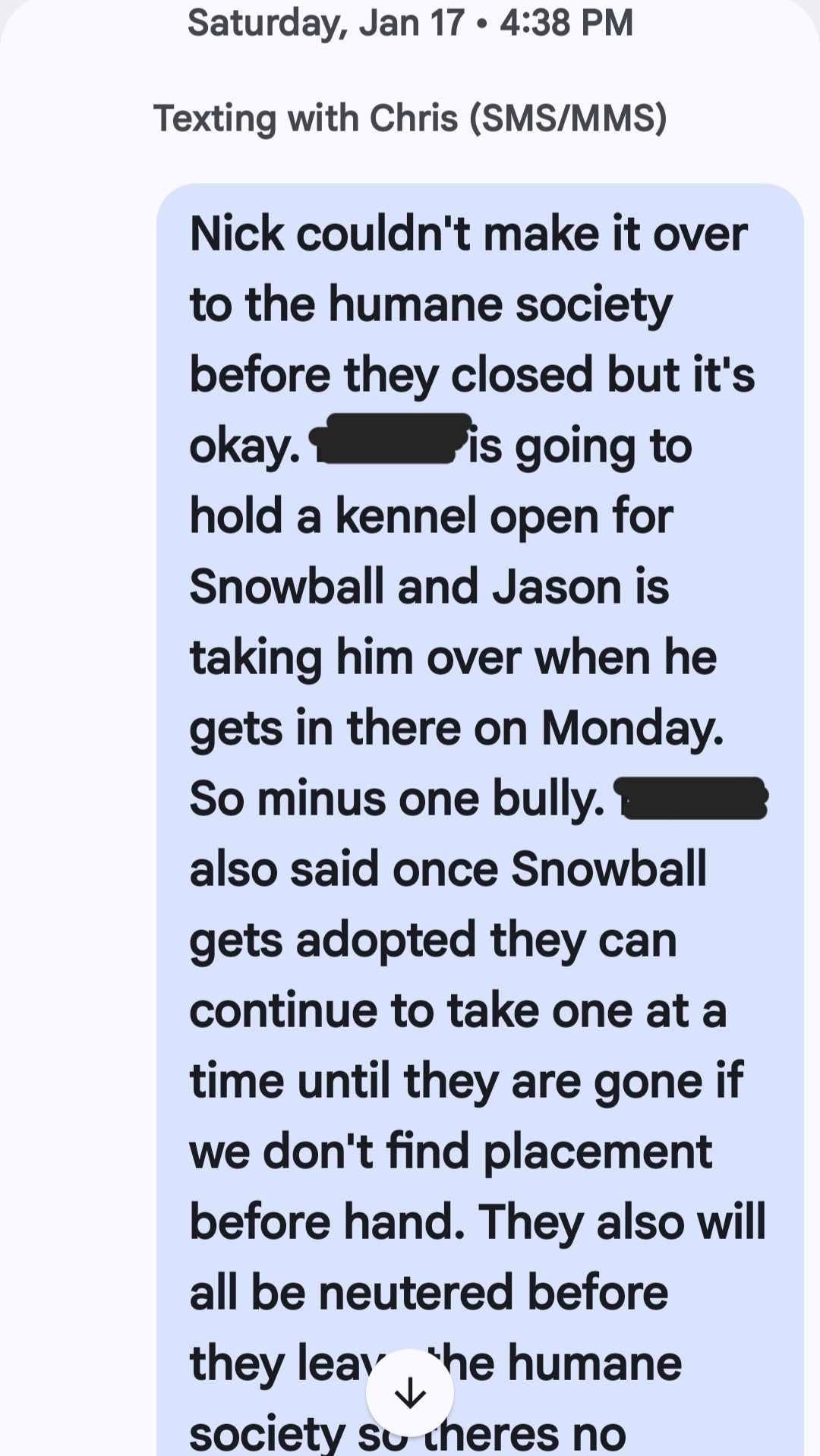
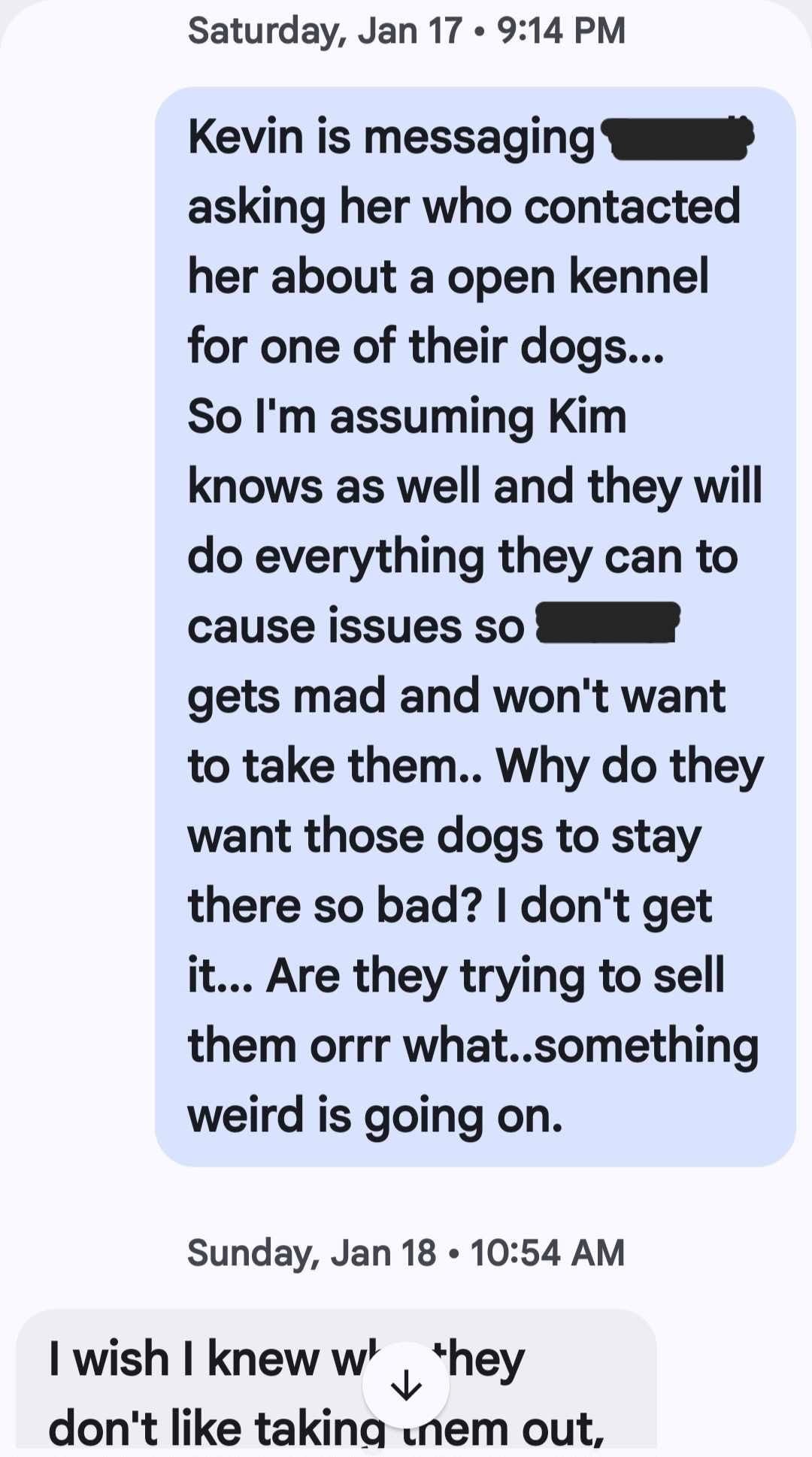
On January 17, the Humane Society had space, and I asked for Snowball to be brought over. The officers said they would do it, but they ended up going on a call and did not get him there before closing. They planned to take him Monday morning. Then Saturday evening, Kevin started messaging the Humane Society manager asking who contacted her and why she had an open kennel for one of their dogs. Suddenly, moving Snowball became a problem.
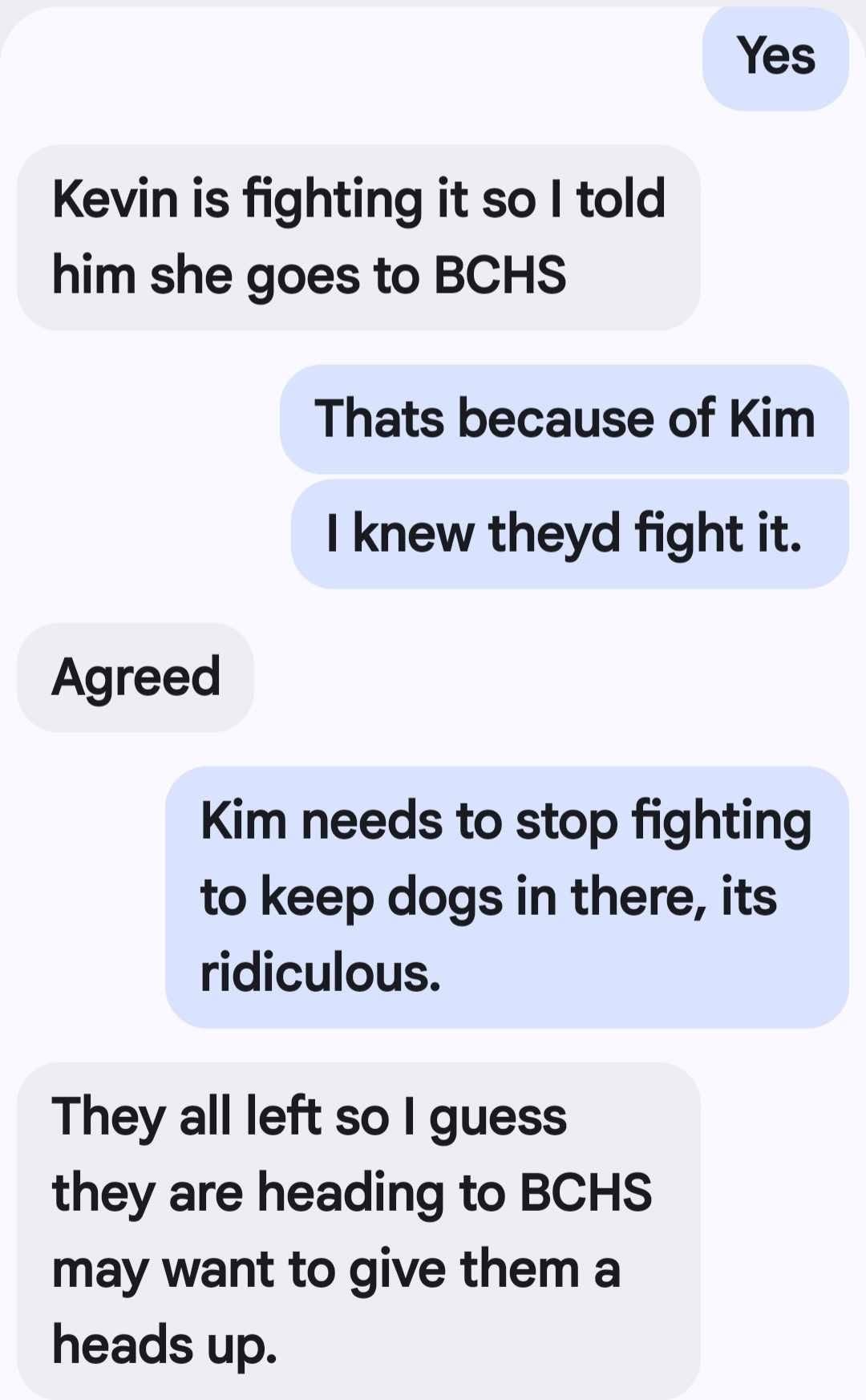
On Monday, January 19, Snowball was supposed to go to the Humane Society. Instead, Kevin spoke to Brandi and tried to get her to take a different dog. They stalled until the Humane Society closed, and Snowball did not go. To me, that proved exactly what I had been worried about: Kevin was fighting to keep certain dogs in BCAC's possession.
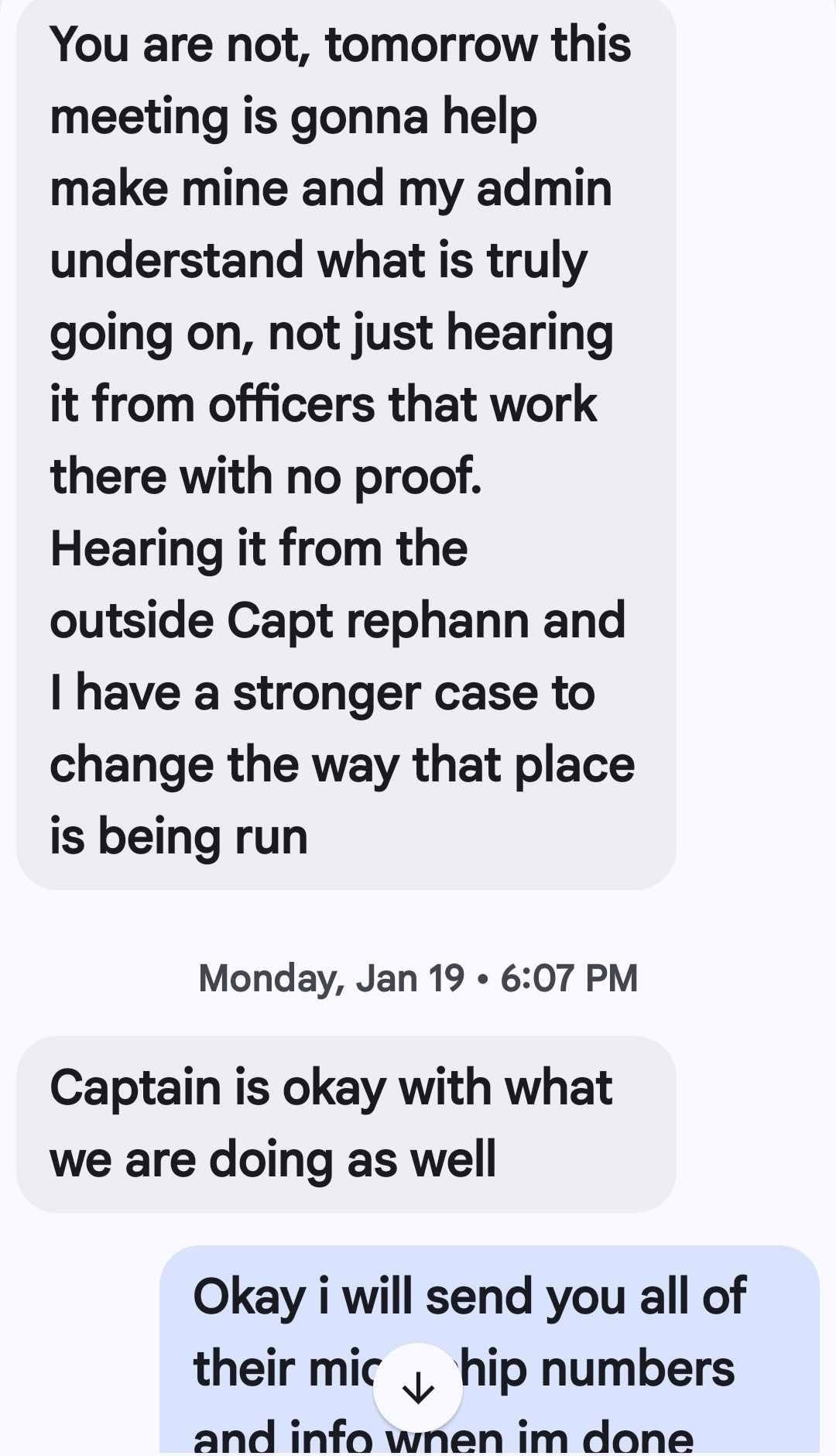
The Humane Officer and Captain then allowed me to go back to the off-site facility and microchip the dogs without the AC officers knowing. That was done because if any of those dogs suddenly disappeared, there needed to be a way to prove who they were.
On January 20, the Humane Officer ordered Kevin directly to take Snowball to the Humane Society. Only then did Snowball finally leave.
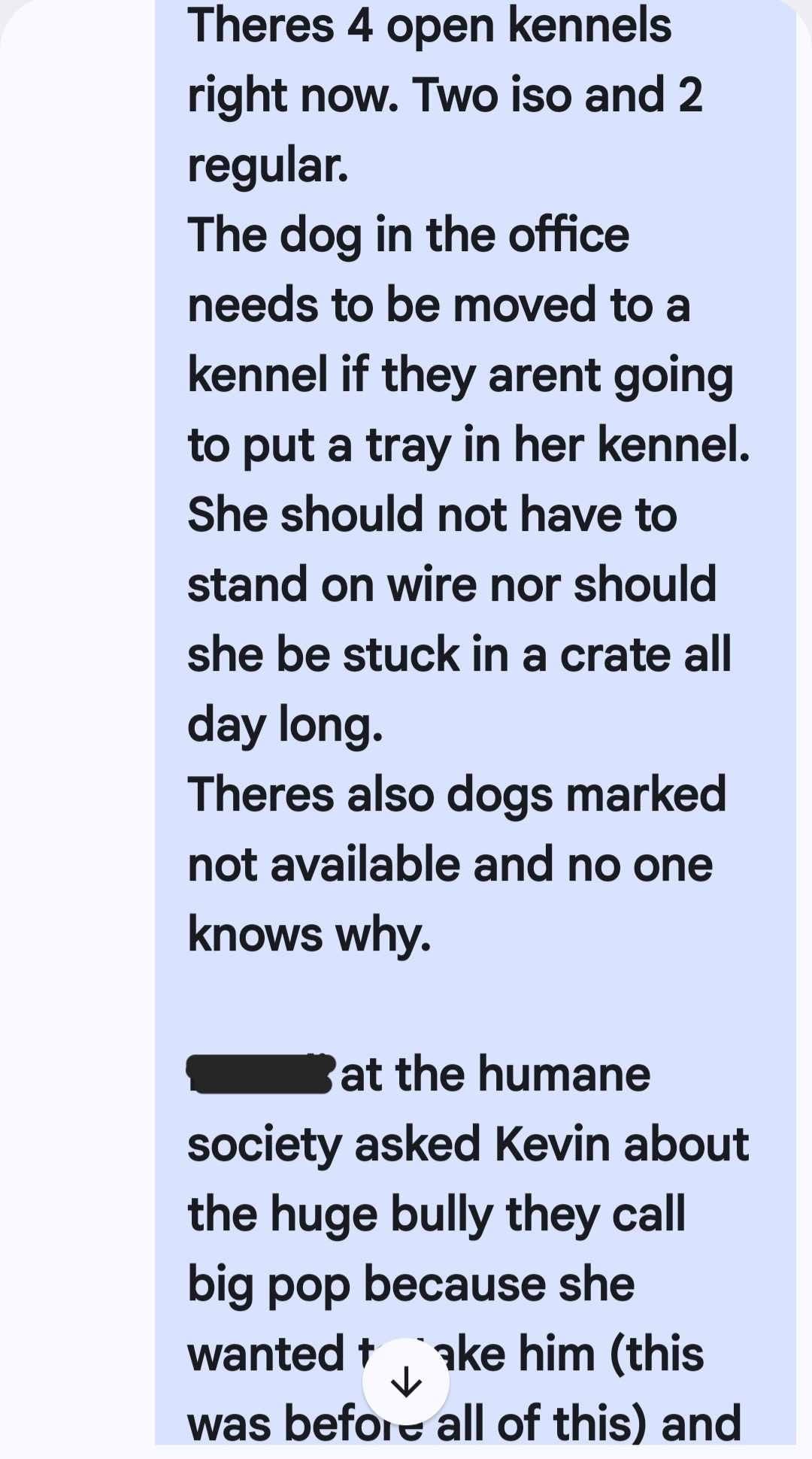
That same night, there was a meeting at the Sheriff's Office with local rescues, the Humane Officer, and the Captain to discuss rebuilding relationships between rescues and Animal Control. The consensus was clear: the two main problems at Animal Control were Kevin, who was Chief at the time, and Officer Kim Gadomski. Kim had a reputation for being rude, difficult, and dishonest. She told people she was a vet tech, but she was not, yet she was still being trusted to make medical decisions for dogs. Many dogs connected to Kim's cases were marked unavailable or pending investigation with no reports in the system, and those dogs would sit there for months. When rescues tried to help, we were told Kim was not going to let that happen. That is not animal welfare. That is control.
As January continued, I kept working to get dogs moved out. On January 24, I sent another bully to the Humane Society. On January 28, the Humane Society said they could take more non-XL bully dogs that Saturday and one XL bully the next day. I relayed that to the Humane Officer, who told Kevin. Kevin then tried to claim the Humane Society did not have room, even though I confirmed directly that they did. Again, the same pattern: delay, deflect, and fight to keep the bullies there.
On January 29 and January 30, I got more bullies moved to the Humane Society. These dogs were adopted quickly, just like I knew they would be. The Humane Society loved them. They had amazing temperaments, and many were dog friendly. That made it even more infuriating that they had sat for months.
Vader
On January 30, I first brought up Vader's condition to the Humane Officer and voiced concerns about his suspected ACL injury. I received no reply.
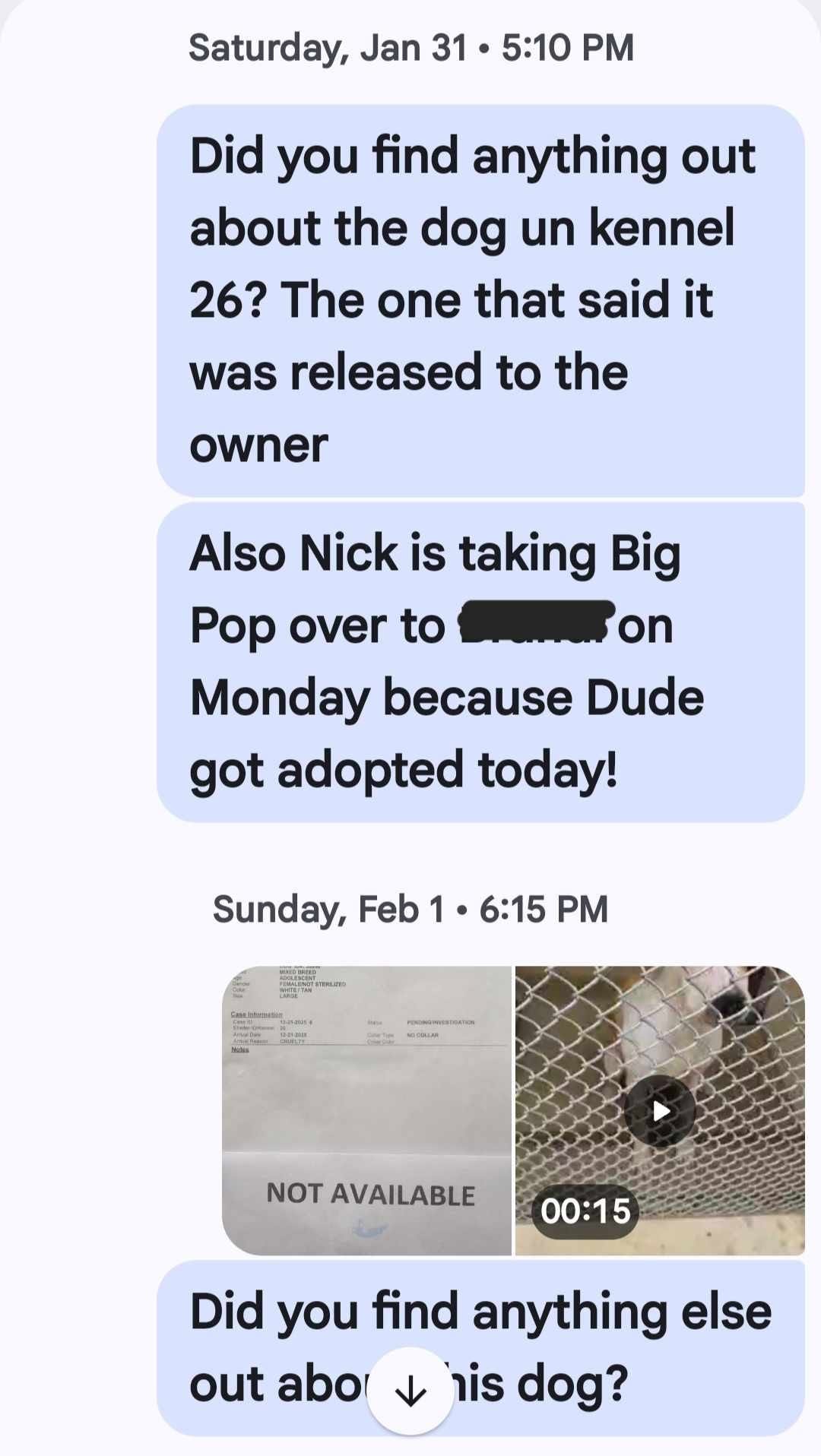
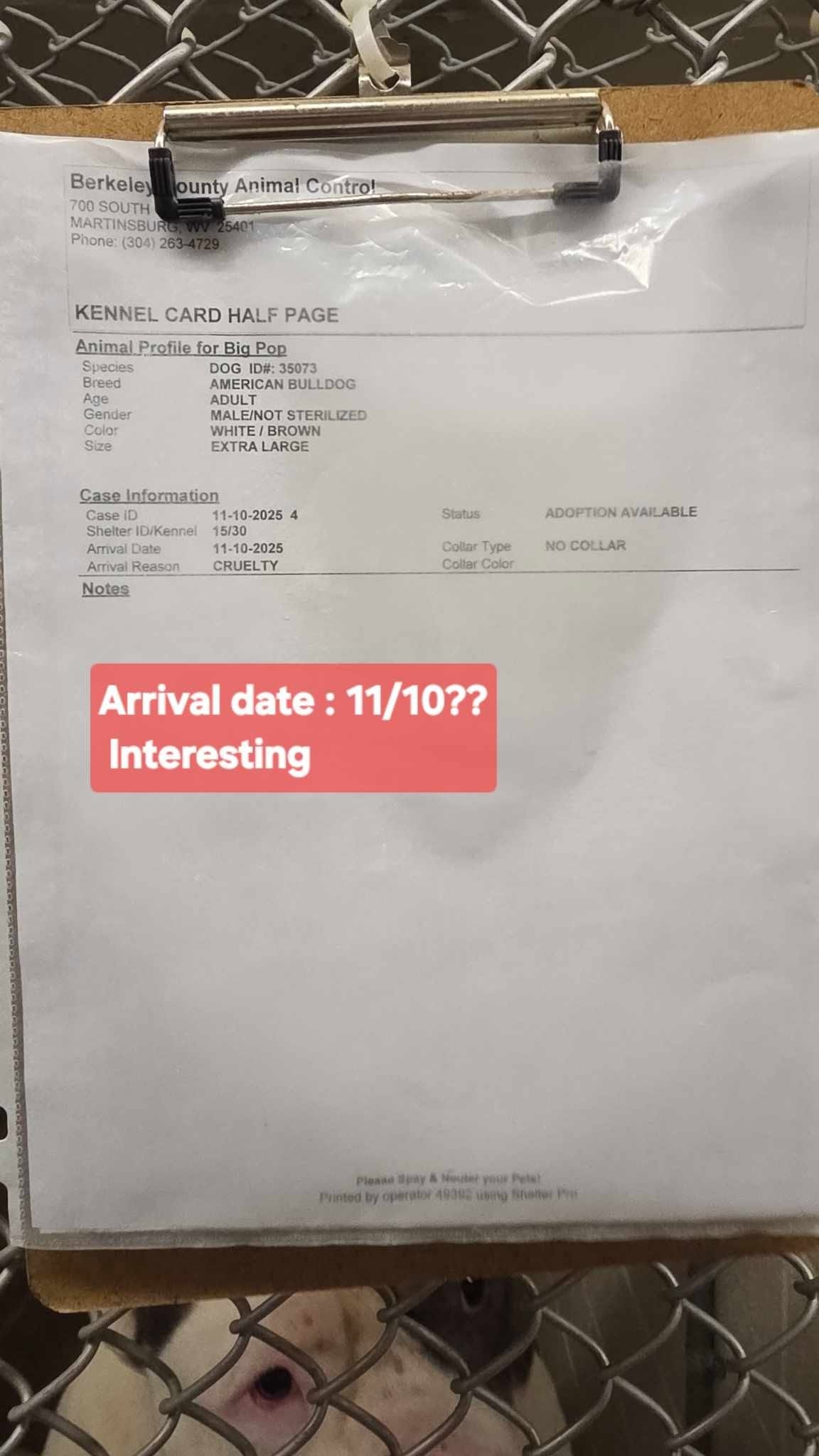
On January 31, I asked about a dog in kennel 26 whose kennel card said not available, but the system said returned to owner. I also asked to have Big Pop, the well-known piebald white and blue stud bully, taken to the Humane Society. Again, no reply.
On February 2, one of the Animal Control officers tried to bring Big Pop over, but Kim threw a fit and told them they could not take him. She tried to send a different dog instead, one that was kennel aggressive and animal aggressive. The Humane Society said absolutely not. They were taking Big Pop or nothing. After wasting everyone's time, Big Pop was finally transferred.
On February 3, I was told the dog in kennel 26 was part of a cruelty case. That made no sense because their system had her marked as returned to owner. Once again, the records did not match reality.
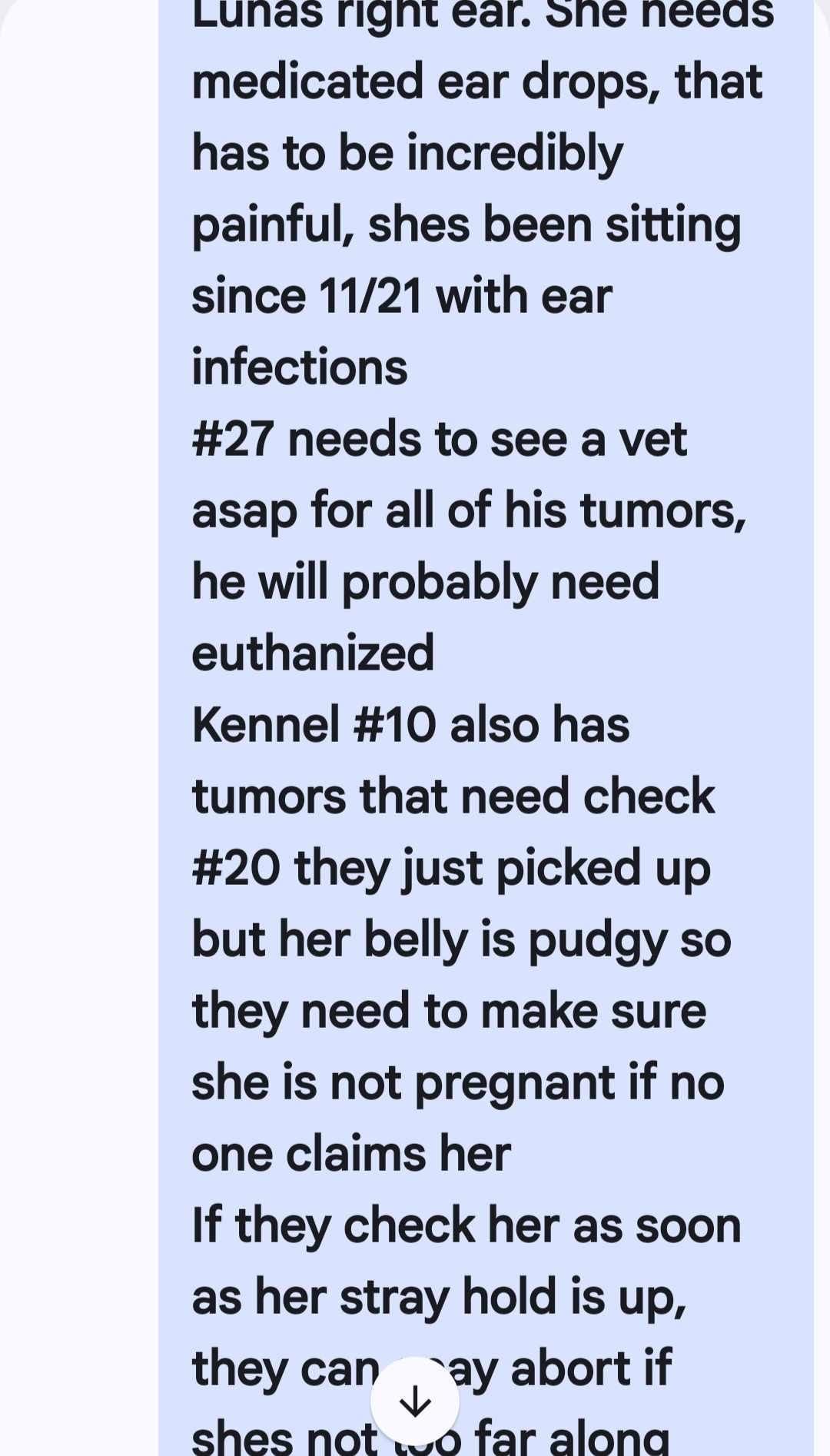
By this point, the pattern with Kevin and Kim was impossible to ignore. Certain dogs, especially bully-type dogs and dogs tied to Kim's cases, were being held, delayed, or blocked from transfer. When rescues had space, excuses were made. When specific dogs were requested, other dogs were offered instead. When records were checked, they were incomplete or contradictory.
Meanwhile, Vader was getting worse. I started asking around to find somewhere for him to go because Animal Control had burned so many bridges that few rescues wanted to work with them.
On February 22, I asked again about getting Vader help. No reply.
By March 4, the Humane Officer said Vader would go to a vet for surgery once they found a foster. I voiced serious concerns because more than a month had passed with no real progress. Vader was getting worse, not better. He had been sitting there in pain while everyone dragged their feet.
On March 15, I asked again about getting Vader help. Two more weeks had passed with no progress. The Humane Officer said he had been at Animal Control on March 13 and saw how bad Vader's condition was. He said he would follow up with Kevin the next day.
On March 16, I asked if he followed up. No reply.
By this time, Vader could barely stand. His raised bed had been removed because he could no longer get onto it. He did not have the strength to stand for long, so he was left to lie in his own urine and feces. Morning staff had not cleaned kennels all morning. Vader was suffering in front of them, and still nothing was being done.
That is not animal welfare. That is neglect.
On March 17, the Humane Officer said Vader was going to a different vet for an exam. He also said they had apparently put their uneducated opinions together and decided Vader now needed his leg amputated because it was beyond saving. That was outrageous. If this had truly been an ACL injury, I had already warned how likely he would be to tear the other knee. Their solution after months of doing nothing was apparently to amputate a leg and force all his weight onto the other compromised leg. It made no sense. It felt like an attempt to cover up months of neglect by choosing the cheapest, fastest option once his condition became impossible to ignore.
On March 19, Vader finally went to the vet, which also happens to be my rescue's vet. Kim took him, and the Humane Officer met her there. Before X-rays, a vet tech came in with a muzzle because Vader was in severe pain and could react when his leg was moved. Kim got nasty with the tech and refused to muzzle him, insisting he was not aggressive. The tech left the room and refused to deal with them further. The vet then took Vader back for X-rays.
That is when the truth came out.
Vader did not have an ACL tear. He had bone cancer. The cancer had eaten away at his kneecap and the rounded end of his femur. This was not something that suddenly happened overnight. Had BCAC followed veterinary recommendations months earlier and taken him for X-rays, his condition could have been identified sooner. Instead, Vader was left to suffer until his body was destroyed by cancer and euthanasia was the only humane choice left.
Vader should not have had to suffer like that. And Kevin and Kim should not get to pretend this was just an unfortunate outcome. This was months of delay, dismissal, poor judgment, and failure to act.
Chunk
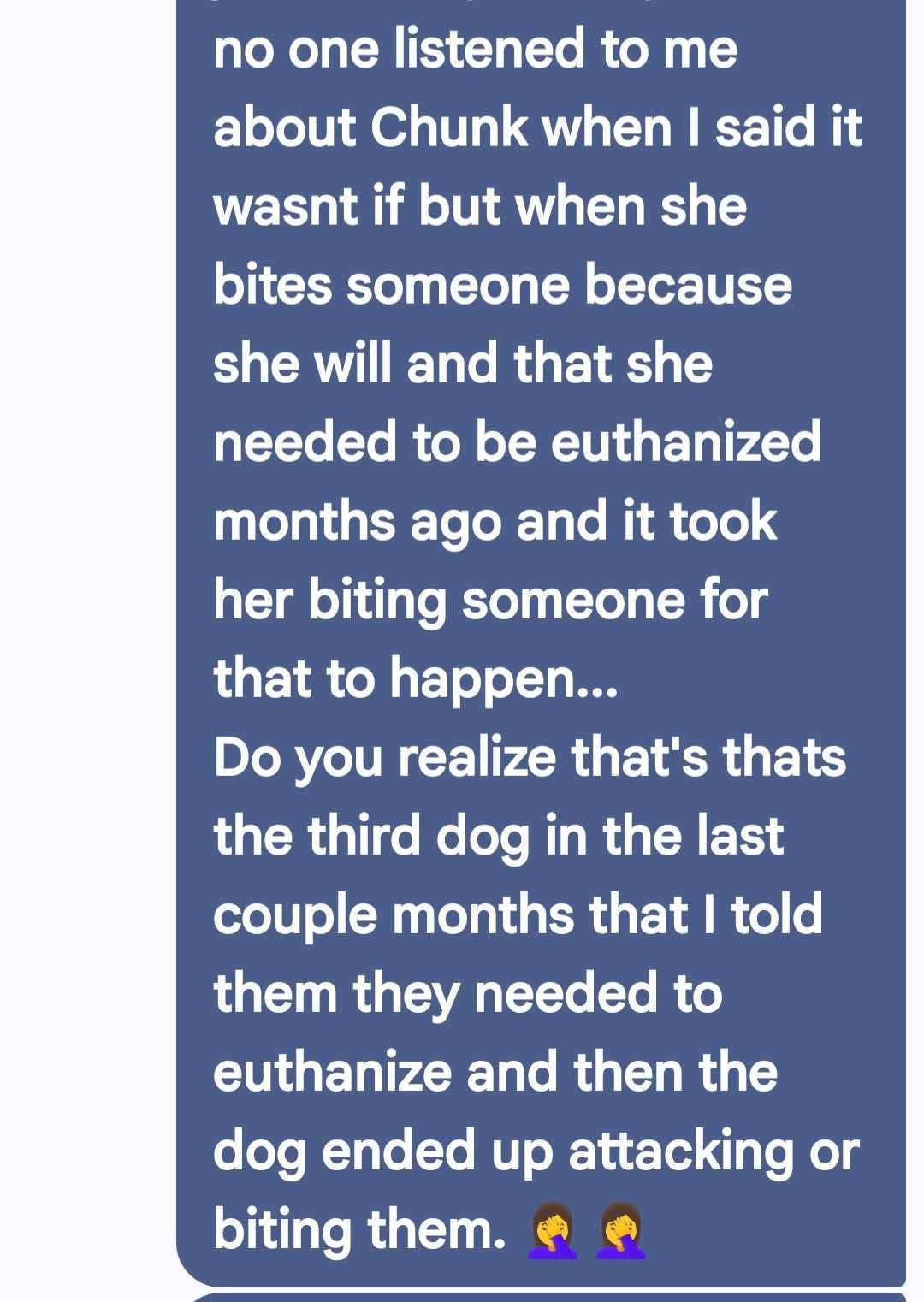
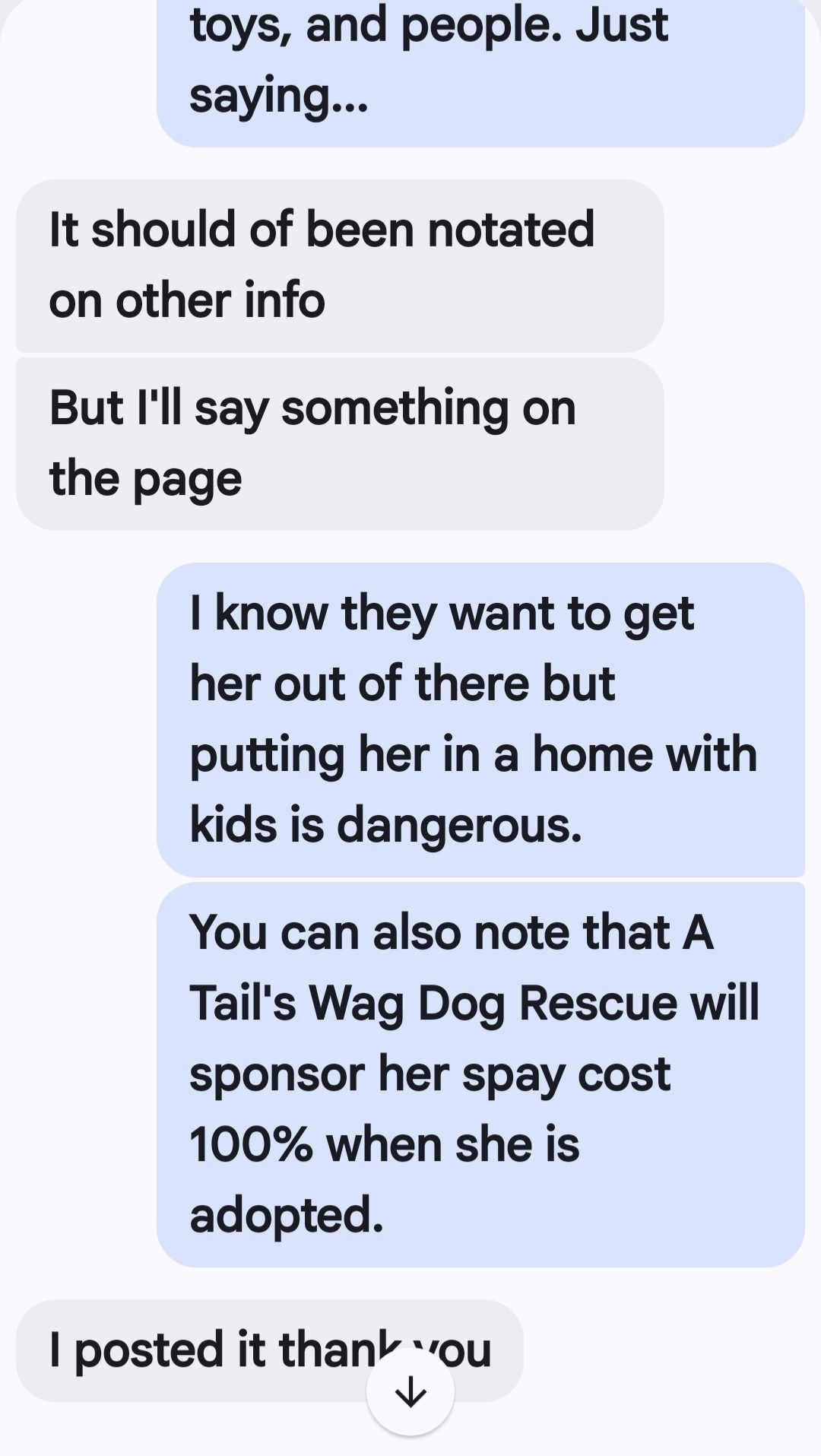
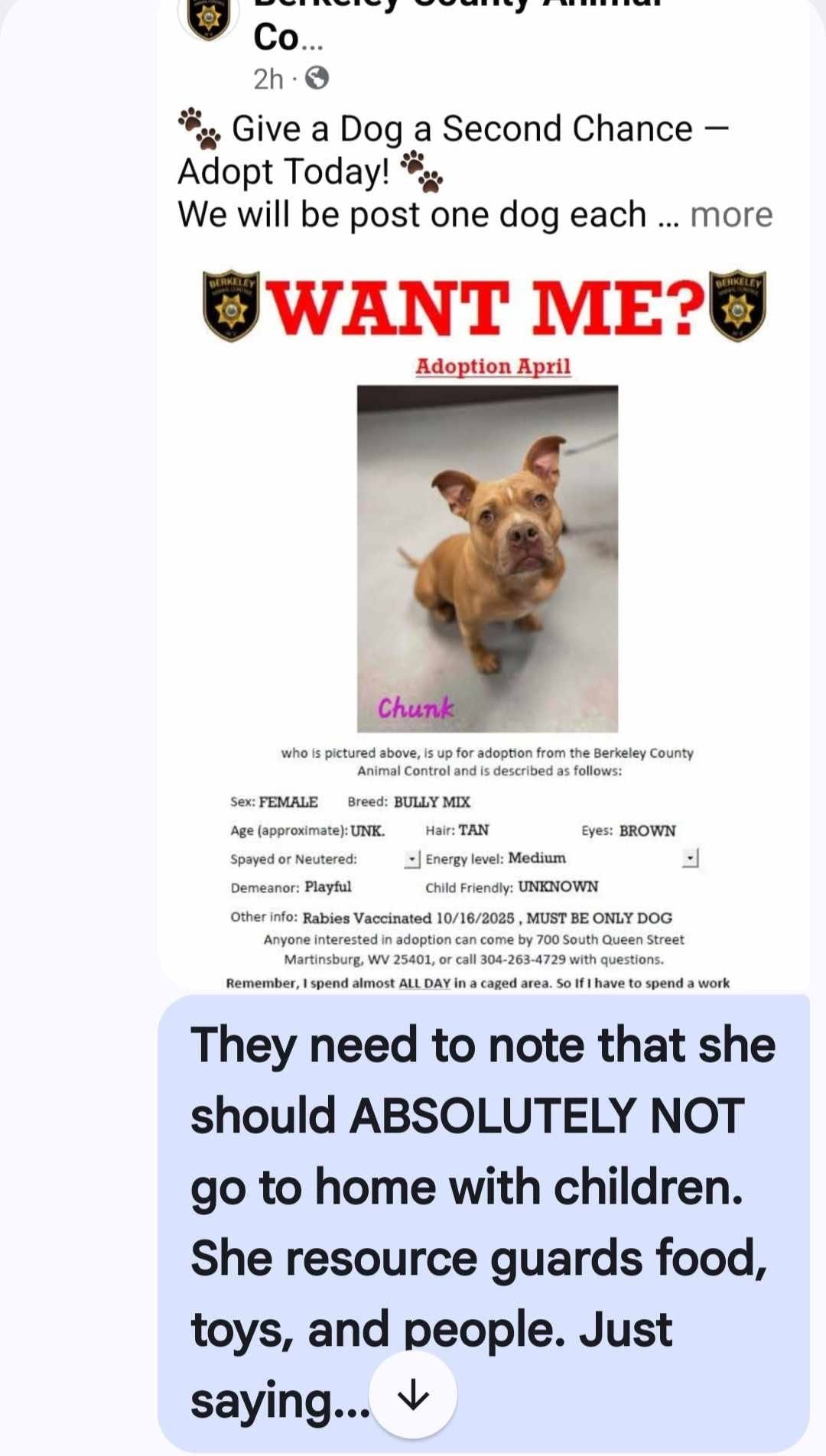
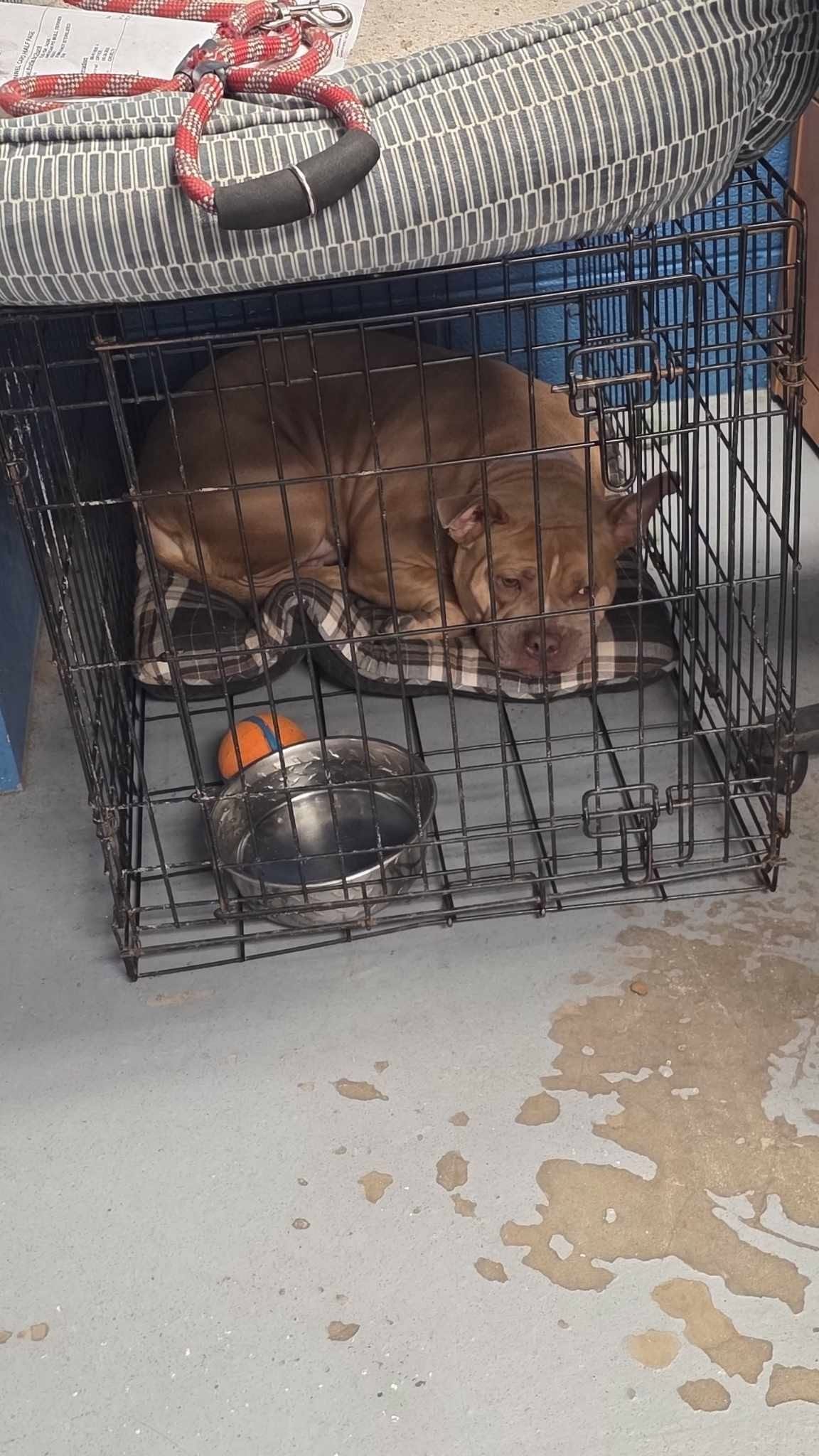
Chunk's story is another example of BCAC refusing to listen. Chunk was one of the Race Street dogs kept in the office. She was not a bad dog, but she was a serious liability. I could handle her because I understood her behavior and did not let her get away with dominant, pushy behavior. But Chunk resource guarded her kennel, food, toys, and people. She was not safe around medium or large dogs, and I would not have trusted her around small dogs. I repeatedly voiced concerns about the type of home she would need and the risk she posed if adopted out irresponsibly.
BCAC does not do home checks. They take people's word for things. Chunk was not the kind of dog that should have been placed casually. I told them for months that Chunk should have been humanely euthanized before someone got hurt. They ignored me. They tried to keep her as an officer dog instead of making a responsible decision. She went through at least two heat cycles while there and was never spayed. She spent too much time in a crate in the office. Some staff failed to take her out properly, and when she urinated in her crate, her bed would be thrown away instead of washed. I bought her new beds twice, and someone else brought in a tray for her kennel. There were close calls before the bite. People in the office did not understand her behavior and would try to play with her toys or ignore warning signs. I said many times it was not a matter of if she bit someone, but when.
Eventually, she did. Chunk went after an officer's daughter, and the officer's wife was bitten while intervening. After the bite, Chunk spent nearly two weeks defeated in her kennel because everyone treated her differently. I had offered months earlier to have her taken to our vet and euthanized in a calm environment. They ignored me. I offered again after the bite. They chose to euthanize her there instead. That dog was failed from the beginning.
Smudge, the last Race Street dog still standing, was also set up to fail. She was sweet with people but very dog aggressive. They adopted her out without telling the adopter she was dog aggressive. She was also in heat. The adopter lived in an apartment complex with a 25-pound dog limit, and Smudge was around 50 pounds. Again, this is not responsible placement. This is moving dogs out without proper disclosure, proper screening, or proper follow-up.
The Final Count
When you look at the Race Street case as a whole, the numbers are disturbing.
- 11 dogs went to the Humane Society
- 2 adult dogs and a puppy were returned to owners, including backyard breeder situations, and one of those dogs later ended up at the Humane Society emaciated
- 4 euthanized for behavior, including Chunk
- 1 died at Animal Control the day after the seizure
- 1 euthanized in June due to a prolapse
- 4 adult dogs adopted from Animal Control
- 10 puppies adopted from Animal Control
- Vader — euthanized after finally being diagnosed with advanced bone cancer
- 1 dog mysteriously broke its leg while at Animal Control and was later rescued and adopted
That accounts for 36 dogs. The original seizure involved 39. So where are the other three adult dogs?
This is why I am speaking out. This is not just about the Race Case dogs. It is about a broken system. Animal Control is not a humane society. It is not a long-term housing facility. Dogs should not be forced to survive there for months or years because certain people refuse to network them, transfer them, or make humane decisions.
Thirty-nine dogs came out of the Race Street case. Some were saved despite BCAC, not because of them. Some suffered longer than they ever should have. Some never made it out alive. And some still appear to be missing from the records.
Photos